What if a game asked you to fight nothing at all? When Undertale launched in 2015, it quietly upended what players expected from a role-playing game. Created almost single-handedly by Toby Fox, this indie title became a cultural phenomenon, earning a devoted fanbase and critical acclaim that rivals studios with hundreds of developers.
This Undertale game review digs into what makes the game so special—its branching choices, lasting consequences, and the sheer creativity packed into every pixel. Whether you’re a seasoned RPG fan or someone who enjoys hunting down hidden gems to review games online, you’ll find plenty to appreciate here.
By the end, you’ll understand why Undertale still sparks conversations nearly a decade after release, and whether it deserves a spot on your playlist.
What Is Undertale About?
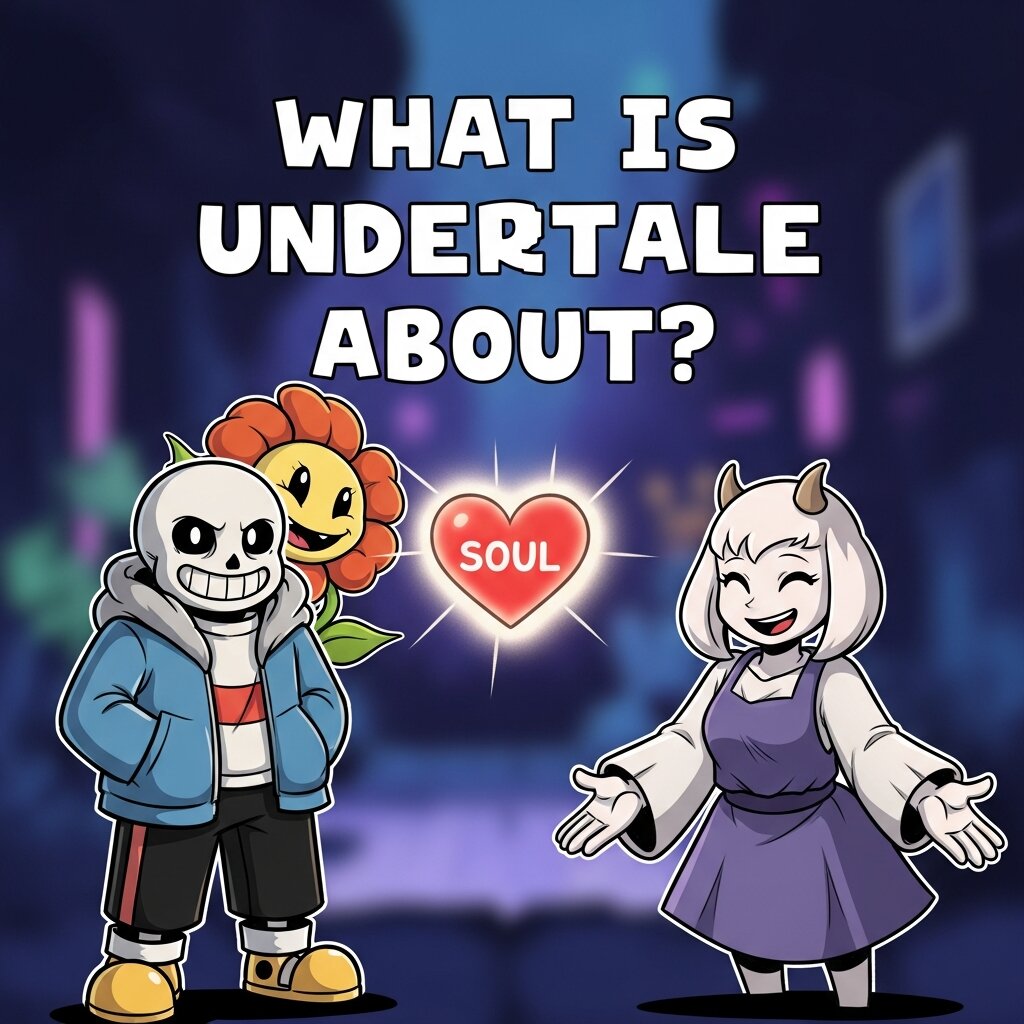 Undertale follows a human child who falls into the Underground, a subterranean world sealed off from the surface by a magical barrier. The monsters living there are stuck, and your goal is simple on paper: find your way home.
The story begins quietly. You wander through ruins, meet a caretaker named Toriel, and learn the basics of how this world works. But the deeper you go, the more the game reveals its emotional core. The monsters you meet aren’t faceless enemies—they have hopes, fears, jokes, and heartbreaks.
What sets Undertale apart from the start is its tone. It balances goofy humor with genuine sadness, often within the same scene. One moment you’re laughing at a skeleton’s terrible pun, the next you’re wrestling with a decision that weighs on your conscience.
The Combat System: Fight or Spare?
Most RPGs give you one way to deal with enemies: defeat them. Undertale hands you a choice in every single encounter. You can fight, or you can show mercy.
How Combat Works
When a battle starts, you’re presented with a small menu. The FIGHT option works like a traditional RPG attack, complete with a timing-based mini-game to land critical hits. But the ACT option lets you interact with enemies in unexpected ways. You might compliment a foe, flirt with them, or simply refuse to engage.
Defensive sequences add another layer. During enemy turns, your soul becomes a small red heart that you steer through a barrage of attacks, dodging projectiles in a style borrowed from bullet-hell shooters. These segments are tense, creative, and often tied to the personality of whoever you’re facing.
Mercy Changes Everything
Choosing to spare enemies instead of killing them isn’t just a moral flourish—it shapes the entire game. Spare everyone, and you head toward the “Pacifist” path, unlocking the game’s most heartfelt content. Kill everything in sight, and you trigger the “Genocide” route, a darker, more punishing experience that the game itself seems reluctant to let you play.
This system turns combat into a constant ethical question. Do you take the easy way out and attack, or do you put in the extra effort to understand and spare each monster? Few games make violence feel like such a deliberate decision.
Choices and Consequences: Why Your Actions Matter
Plenty of games promise that “your choices matter,” then deliver shallow variations. Undertale actually follows through. The game remembers what you do—sometimes in ways that catch you completely off guard.
Multiple Endings
Undertale features three main routes: Neutral, Pacifist, and Genocide. Each delivers a distinct experience with different cutscenes, dialogue, and conclusions. The Pacifist ending rewards patience and kindness with a deeply satisfying payoff. The Genocide route, by contrast, strips away the warmth and forces you to confront the cost of your actions.
The Game Knows You’re Playing
One of Undertale‘s most talked-about features is how it breaks the fourth wall. Certain characters appear to recognize when you reload a save file or restart after a major decision. The game comments on your behavior, sometimes praising you, sometimes guilt-tripping you for trying to undo your mistakes.
This awareness makes choices feel permanent in a way most games can’t replicate. You can’t simply reset and pretend a decision never happened—Undertale remembers. That persistence gives every action real weight, which is rare even among titles you’d find in any review games zone.
Creativity in Every Corner
 If there’s one word that defines Undertale, it’s creativity. Toby Fox built a world where no two encounters feel the same, and where surprise lurks behind nearly every door.
A Memorable Cast
The characters are the heart of Undertale. Sans, the laid-back skeleton with a hidden depth, became an instant icon. Papyrus, his pun-loving brother, is endearingly earnest. Undyne, Alphys, and Mettaton each bring their own flavor of comedy and drama. These aren’t throwaway NPCs—they’re personalities you genuinely come to care about.
A Soundtrack That Sticks
Toby Fox also composed the entire soundtrack, and it’s nothing short of remarkable. Tracks like “Megalovania” and “Hopes and Dreams” have taken on lives of their own, remixed and covered by fans across the internet. The music doesn’t just accompany the action—it tells the story, with leitmotifs that weave through different scenes to reinforce emotional beats.
Clever Writing
The dialogue is sharp, funny, and packed with personality. Jokes land naturally, and even small interactions reward curiosity. The writing also knows when to get serious, delivering emotional gut-punches that feel earned rather than manipulative.
How Undertale Compares to Other Indie Games
Undertale arrived during a golden age of indie development, but it stood out even among strong company. While many indie games lean on retro nostalgia, Undertale used its simple visuals as a foundation for genuine innovation rather than a crutch.
Compared to the polished production of larger studios, Undertale proves that emotional impact doesn’t require a massive budget. It’s a useful benchmark for anyone who likes to review games online, since it shows how design and storytelling can outweigh raw graphical horsepower. The same lesson applies whether you’re writing a Roblox game review or evaluating a sprawling AAA epic—heart and creativity often matter more than scale.
Pros and Cons of Undertale
Here’s a quick breakdown to help you decide if Undertale is right for you.
Pros:
- Innovative combat that rewards both action and mercy
- Multiple endings with real replay value
- Unforgettable characters and writing
- One of the best video game soundtracks ever composed
- Affordable price point for hours of content
Cons:
- Retro visuals may not appeal to everyone
- Bullet-hell segments can frustrate less experienced players
- The Genocide route is intentionally grueling and unpleasant
- Short main playthrough if you only experience one route
Who Should Play Undertale?
Undertale is a strong pick if you value story and character over flashy graphics. Choose it if you enjoy games that surprise you, challenge your assumptions, and reward thoughtful play. RPG fans looking for something fresh will find a lot to love here.
It may be less appealing if you prefer fast-paced action or cutting-edge visuals. The bullet-hell battles also demand some reflexes, so players who struggle with timing-based challenges should be prepared for a few tough moments.
For most people, though, the experience is well worth it. At its modest price, Undertale delivers more emotional depth and creative ambition than games costing five times as much.
Player Choice Philosophy in Undertale
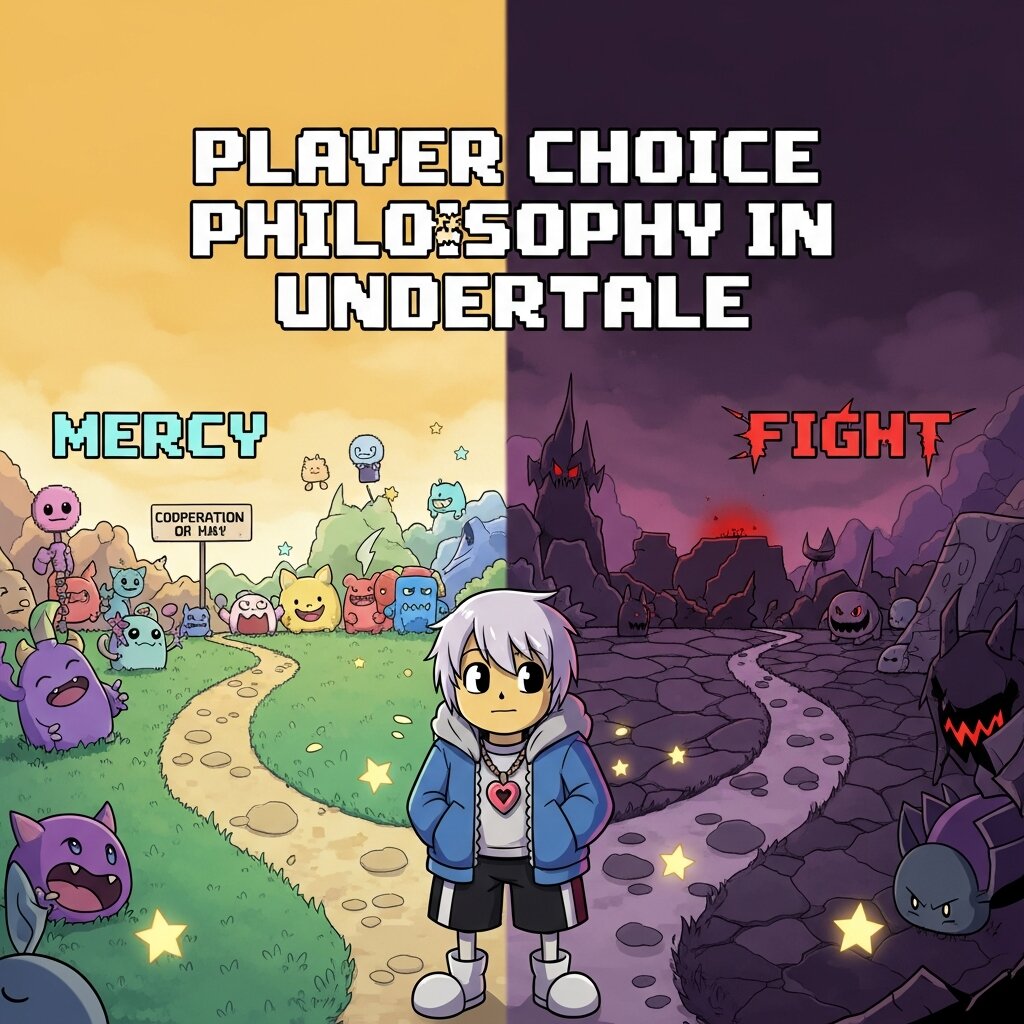 Undertale builds its entire experience around the idea that player choice is not just a mechanic, but a moral system. Every decision you make—whether to fight or spare enemies—directly influences the story, world reactions, and final outcome. Unlike many RPGs that only simulate choice, Undertale makes consequences feel personal and emotionally weighty. The game constantly pushes players to reflect on their behavior, questioning whether efficiency or compassion is the better path. This design creates a unique loop where gameplay and ethics are deeply connected. As a result, players don’t just play the story—they shape it through their values. This philosophical approach is what makes Undertale stand out as more than just an RPG.
Emotional Storytelling Design
Undertale’s emotional storytelling is one of its strongest qualities, blending humor, sadness, and surprise in a seamless flow. Characters are not simple NPCs but fully realized personalities with dreams, fears, and relationships. Through small interactions and dialogue changes, the game builds emotional attachment without relying on complex graphics or cinematic cutscenes. Moments of comedy often shift quickly into deep emotional tension, making the experience unpredictable and engaging. As players progress, they begin to understand that every monster has a story worth caring about. This emotional layering ensures that decisions carry real weight, making the journey feel personal and meaningful. It is this storytelling depth that keeps players emotionally invested long after the game ends.
Soundtrack as a Narrative Tool
Undertale uses its soundtrack not just as background music, but as a powerful storytelling device. Each character and location has a unique musical theme that reflects its emotional tone. Tracks like “Megalovania” and “Hopes and Dreams” are not only memorable but also deeply tied to key narrative moments, enhancing the emotional impact of gameplay. The music often communicates feelings that dialogue does not explicitly express, guiding the player’s emotional response throughout the journey. Subtle changes in melody or rhythm signal shifts in mood, tension, or character development. This musical storytelling elevates the entire experience, making the soundtrack an essential part of how the game delivers its narrative and emotional depth.
Community and Fan Culture
The community surrounding Undertale has played a huge role in its long-term success. After its release, the game quickly developed a passionate global fanbase that created endless fan art, music remixes, animations, and theories. Characters like Sans and Papyrus became internet icons, spreading far beyond the game itself into mainstream online culture. Content creators on platforms like YouTube and Twitch helped amplify its popularity by sharing gameplay, reactions, and analysis. This community-driven engagement kept the game alive long after its release window. Instead of fading over time, Undertale evolved into a cultural phenomenon shaped by its fans, proving how powerful player communities can extend the life of an indie game far beyond expectations.
Indie Game Development Impact
Undertale had a major impact on the indie game industry by proving that creativity can outweigh budget and technical limitations. Developed largely by a single creator, it showed that strong storytelling and innovative mechanics can compete with large studio productions. Many indie developers were inspired by its success to focus more on emotional narratives, unique gameplay systems, and experimental design choices. The game also challenged traditional RPG conventions, especially in how combat and morality are handled. Instead of relying on high-end graphics, it emphasized personality, writing, and originality. As a result, Undertale became a reference point in indie development discussions and continues to influence modern game design thinking today.
Replay Value and Hidden Secrets
Undertale offers strong replay value through its multiple story routes, including Neutral, Pacifist, and Genocide paths. Each route provides a completely different experience, with unique dialogue, character behavior, and endings. Beyond the main story, the game is filled with hidden secrets, Easter eggs, and subtle changes that encourage players to replay and explore every possibility. Some events only trigger under specific conditions, making discovery feel rewarding and personal. Even small decisions can lead to surprising variations in dialogue or outcomes. This layered design ensures that no two playthroughs feel exactly the same. The replay system transforms Undertale from a one-time story into a deeply explorable experience that rewards curiosity and experimentation.
FAQ Section
1. What is Undertale?
Undertale is an indie role-playing game where players explore the Underground, a world filled with monsters, puzzles, and moral choices that shape the story.
2. Is Undertale a combat-heavy game?
Not exactly. While it includes turn-based battles, players can choose to fight or spare enemies, making dialogue and decision-making just as important as combat.
3. How many endings does Undertale have?
Undertale features three main routes: Neutral, Pacifist, and Genocide. Each path leads to different story outcomes and character interactions.
4. Do choices really matter in Undertale?
Yes. The game remembers player actions across playthroughs and changes dialogue, events, and endings based on your decisions.
5. Is Undertale suitable for beginners?
Yes. The game is easy to learn, though some bullet-hell combat segments may take practice for new players.
6. How long does it take to finish Undertale?
A single playthrough usually takes around 6–10 hours, but experiencing all routes can significantly extend gameplay time.
7. What makes Undertale different from other RPGs?
Its unique mercy-based combat system, emotional storytelling, and fourth-wall-breaking mechanics set it apart from traditional RPGs.
8. Is Undertale worth playing today?
Yes. Even years after its release, Undertale remains highly praised for its storytelling, creativity, and memorable characters.
Final Verdict on Undertale
Undertale is a rare game that earns its reputation. It takes familiar RPG mechanics and reshapes them into something thoughtful, funny, and deeply human. The combination of meaningful choices, lasting consequences, and boundless creativity makes it a standout—not just among indie titles, but among games of any size.
Nearly a decade after release, Undertale continues to inspire developers and delight new players. If you haven’t played it yet, this is your sign to give it a try. Go in with an open mind, take your time with each encounter, and let the game surprise you.