
The app stores are overflowing. Every single day, hundreds of new mobile games launch across iOS and Android, each one promising hours of fun, addictive gameplay, and that elusive “just one more level” feeling. But how do you separate the gems from the duds before you waste your time—or worse, your money?
That’s where mobile game reviews come in. These honest breakdowns from fellow players and dedicated critics act as a filter, helping you understand what a game actually delivers before you hit download. A good review tells you about the gameplay, the graphics, the monetization model, and whether those flashy ad campaigns live up to the hype.
In this post, we’ll explore exactly how mobile game reviews guide players toward smarter choices. You’ll learn what makes a review trustworthy, what details to look for, and how reviews compare across different gaming categories. By the end, you’ll know how to use reviews to build a game library you’ll genuinely love.
Why Mobile Game Reviews Matter More Than Ever
 The mobile gaming market has exploded into a multi-billion-dollar industry, and with that growth comes an overwhelming amount of choice. Browsing the app store alone can feel like searching for a needle in a haystack. Star ratings give you a rough idea, but they rarely tell the full story.
Mobile game reviews fill that gap. They go beyond a simple number and explain the why behind a game’s reputation. A title might boast a 4.5-star average, but a detailed review could reveal that the high rating comes from players who spent money on in-app purchases—while free players hit a frustrating paywall after level ten.
Reviews also protect your wallet. Many mobile games use aggressive monetization tactics, from energy timers to loot boxes. A well-written review flags these practices early, so you know whether a game is genuinely free-to-play or quietly designed to drain your bank account. This kind of insight simply isn’t visible from a glossy store listing or a 30-second trailer.
What Makes a Mobile Game Review Trustworthy
Not all reviews carry the same weight. Some are thoughtful and balanced, while others read like paid advertisements or angry rants. Learning to spot the difference is the first step toward using reviews effectively.
Look for Detailed, Hands-On Experience
The best mobile game reviews come from people who have actually played the game for a meaningful amount of time. A reviewer who has logged 20 hours will notice things a first-impression review never could—like whether the gameplay stays fresh, how the difficulty curve feels, and if the game runs smoothly on older devices.
Watch out for vague praise. Reviews that say “amazing graphics” or “super fun” without explaining why aren’t very helpful. Trustworthy reviews use specific examples, describing particular levels, mechanics, or moments that shaped the reviewer’s opinion.
Check for Balanced Perspectives
A credible review acknowledges both strengths and weaknesses. No game is perfect, so a review that only gushes with praise should raise a red flag. The same goes for reviews that only complain.
When a reviewer points out that a puzzle game has clever level design but suffers from intrusive ads, you’re getting an honest picture. That balance helps you weigh the trade-offs and decide whether the pros outweigh the cons for your personal taste.
Consider the Source
Where a review comes from matters. Established gaming websites and dedicated critics often follow consistent standards, comparing each game against others in its genre. User reviews, on the other hand, offer a wider range of real-world experiences across different devices and play styles.
The smartest approach is to combine both. Professional reviews give you expert analysis, while user reviews show you how a game performs in the hands of everyday players. Reading several sources helps you build a complete picture.
Key Details to Look for in Mobile Game Reviews
Once you know a review is trustworthy, it’s time to focus on the details that matter most for your decision. Different players value different things, so knowing what to prioritize makes reviews far more useful.
Gameplay and Mechanics
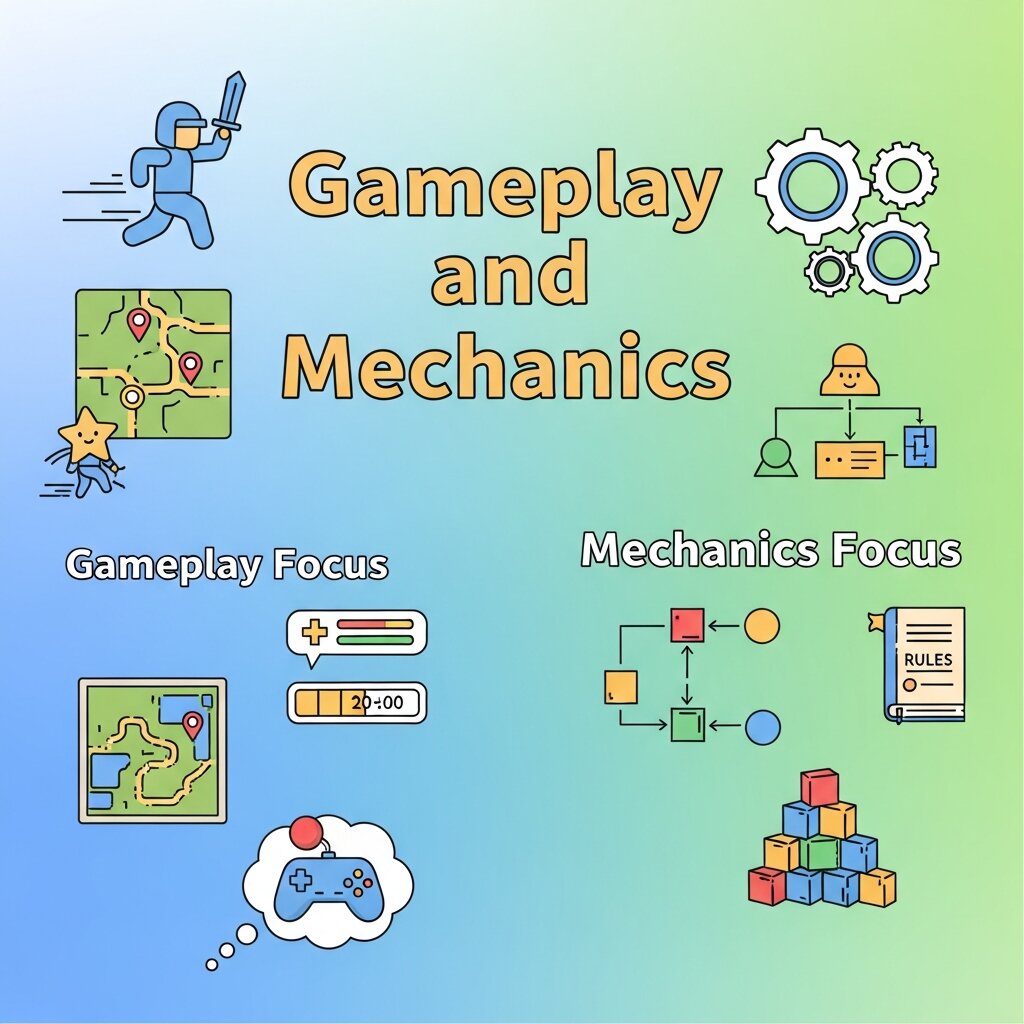 Gameplay is the heart of any game. A good review describes how the game actually plays—is it a fast-paced action title, a relaxing puzzle experience, or a strategic challenge that demands planning? Reviews should explain whether the controls feel responsive, whether the difficulty is fair, and whether the core loop stays engaging over time.
This is where mobile game reviews really shine. A trailer can make any game look exciting, but only a review can tell you if the gameplay holds up after the novelty wears off.
Monetization and In-App Purchases
This is arguably the most important detail for mobile games. Many free games rely on in-app purchases, ads, or subscription models to make money. Reviews should clearly explain how a game handles monetization and whether it crosses into “pay-to-win” territory.
A fair free-to-play game lets you enjoy the full experience without spending a cent. A predatory one locks essential content behind paywalls or bombards you with ads. Reviews that detail these practices save you from frustrating surprises down the line.
Performance and Compatibility
A game can have brilliant design and still run poorly. Reviews often mention how a game performs across different devices, including battery drain, loading times, and crashes. If you’re playing on an older phone, this information is essential.
Graphics, Sound, and Polish
Presentation counts. While gameplay matters most, the visual and audio experience adds to your enjoyment. Reviews that describe the art style, animation quality, and soundtrack help you imagine what playing the game will actually feel like.
How Mobile Game Reviews Compare to Other Review Types
Game reviews aren’t unique to mobile, and understanding how they differ from other categories can sharpen your judgment as a reader.
Take board game reviews, for example. These focus heavily on rules complexity, replayability, and how a game plays with different group sizes. There’s no concern about in-app purchases or battery life, but the core idea is the same: helping people decide if a game suits their preferences before they invest time and money.
Game camera reviews offer a different angle entirely. Here, reviewers evaluate hardware—frame rates, capture quality, and ease of use for recording gameplay footage. Gamers who stream or create content rely on these reviews to choose the right gear. While the subject is technical rather than purely entertainment-focused, the goal remains identical: informed decision-making.
Then there’s the Roblox Game Review niche, which sits somewhere in between. Roblox hosts millions of user-created experiences, so reviews help players navigate an enormous library of community-made games. These reviews often focus on creativity, safety, and whether a particular experience is worth the in-game currency (Robux) it might ask for.
Comparing these review types reveals a simple truth: no matter the medium, reviews exist to cut through marketing noise and give players the honest information they need. Mobile game reviews just happen to focus on the specific concerns of phone-based play—portability, monetization, and quick-session gameplay.
How to Use Reviews to Build a Better Game Library
Knowing how reviews work is one thing. Actually using them to make smarter choices is another. Here’s how to put your review-reading skills into practice.
Start by reading multiple reviews before downloading anything. One opinion can be biased or based on a single bad experience. Three or four reviews give you a much clearer consensus. Look for patterns—if several reviewers mention the same flaw, it’s probably real.
Next, match reviews to your personal preferences. A review might criticize a game for being too casual, but if relaxing, low-stakes gameplay is exactly what you want, that “flaw” becomes a selling point. Reviews are guides, not gospel. Use them to inform your taste, not override it.
Pay special attention to recent reviews. Mobile games update constantly, and a title that launched with problems may have improved dramatically—or gotten worse with aggressive new monetization. Reviews from the last few months reflect the current state of the game far better than those from two years ago.
Finally, don’t ignore the negative reviews. They often contain the most valuable warnings. Even if a game has a high overall rating, scanning the critical feedback reveals deal-breakers you might otherwise miss. A glowing review tells you what to expect at best; a critical one tells you what could go wrong.
How Mobile Game Reviews Influence Download Decisions
 Mobile game reviews don’t just inform players—they actively shape what gets downloaded in the first place. In a crowded app marketplace, most users won’t take a risk on an unfamiliar title unless they feel confident about it. Reviews provide that confidence by reducing uncertainty.
When a game consistently receives positive feedback about gameplay depth, fair monetization, or smooth performance, it naturally attracts more downloads. On the other hand, repeated complaints about aggressive ads, bugs, or pay-to-win mechanics can quickly discourage potential players—even if the game looks appealing in trailers.
Reviews also create a “social proof” effect. When players see thousands of others enjoying a game, it builds trust and curiosity. This is why many successful mobile games actively encourage ratings and feedback shortly after key gameplay moments. In short, reviews don’t just reflect a game’s reputation—they help build it.
Common Mistakes Players Make When Reading Game Reviews
Even though mobile game reviews are incredibly useful, many players misinterpret or misuse them, leading to poor download choices. One of the most common mistakes is focusing only on the overall star rating. A high score can hide serious flaws if you don’t read the written feedback behind it.
Another mistake is trusting the first review they see. Early impressions—especially from launch-day reviews—often don’t reflect the game’s long-term quality. Mobile games change frequently through updates, patches, and new monetization strategies, so relying on outdated opinions can be misleading.
Players also tend to ignore negative reviews entirely, assuming they come from frustrated or biased users. While some criticism is emotional, recurring complaints across multiple reviews are often genuine warning signs. Ignoring them can lead to downloading games that don’t match your expectations.
By avoiding these mistakes and reading reviews more critically, players can make far more accurate judgments and consistently choose better games.
FAQ: Mobile Game Reviews
1. What are mobile game reviews?
Mobile game reviews are evaluations of games available on smartphones and tablets. They typically assess gameplay, graphics, performance, monetization, and overall user experience to help players decide whether a game is worth downloading.
2. Why are mobile game reviews important?
Mobile game reviews help players make informed decisions by highlighting a game’s strengths, weaknesses, and potential issues before they invest time or money. They also provide insight beyond app store ratings and promotional materials.
3. How can I tell if a mobile game review is trustworthy?
Look for reviews that provide detailed examples, balanced opinions, and evidence of significant gameplay experience. Trustworthy reviews discuss both positive and negative aspects rather than offering only praise or criticism.
4. Should I rely on professional reviews or user reviews?
Both are valuable. Professional reviews often provide in-depth analysis and comparisons, while user reviews reflect real-world experiences from a wider range of players and devices. Combining both sources offers a more complete perspective.
5. What information should I look for in a mobile game review?
Key details include gameplay quality, controls, graphics, monetization practices, performance, device compatibility, update frequency, and long-term replay value.
6. Can mobile game reviews help me avoid pay-to-win games?
Yes. Many reviews specifically discuss in-app purchases, premium features, and whether spending money provides unfair advantages. This information helps players identify games with balanced monetization systems.
7. How often should I check recent reviews before downloading a game?
Always review recent feedback when possible. Mobile games receive frequent updates that can improve gameplay, introduce new content, or change monetization practices, making older reviews less relevant.
8. Are star ratings enough to judge a mobile game?
No. Star ratings provide a quick overview but rarely explain why players feel a certain way. Reading detailed reviews gives you context about the game’s strengths, weaknesses, and overall quality.
9. Do mobile game reviews differ from Roblox game reviews or board game reviews?
Yes. Mobile game reviews focus on gameplay, monetization, performance, and mobile-specific experiences. Roblox Game Reviews often evaluate user-generated content and community engagement, while board game reviews focus on rules, strategy, and replayability.
10. How can mobile game reviews help me build a better game library?
By reading multiple reviews, identifying recurring feedback, and matching recommendations to your personal preferences, you can discover higher-quality games and avoid titles that may not suit your interests or expectations.
Make Smarter Gaming Choices Starting Today
Mobile game reviews are one of the most powerful tools available to players. They cut through flashy marketing, expose hidden costs, and reveal whether a game’s reputation is earned or inflated. By learning to read reviews critically—checking for detail, balance, and credibility—you can avoid disappointing downloads and discover games you’ll truly love.
The next time a new title catches your eye, resist the urge to download immediately. Take five minutes to read a few honest reviews first. Look at the gameplay, the monetization, and the performance notes. Compare what professional critics and everyday players are saying. That small habit will transform the quality of your gaming library over time.