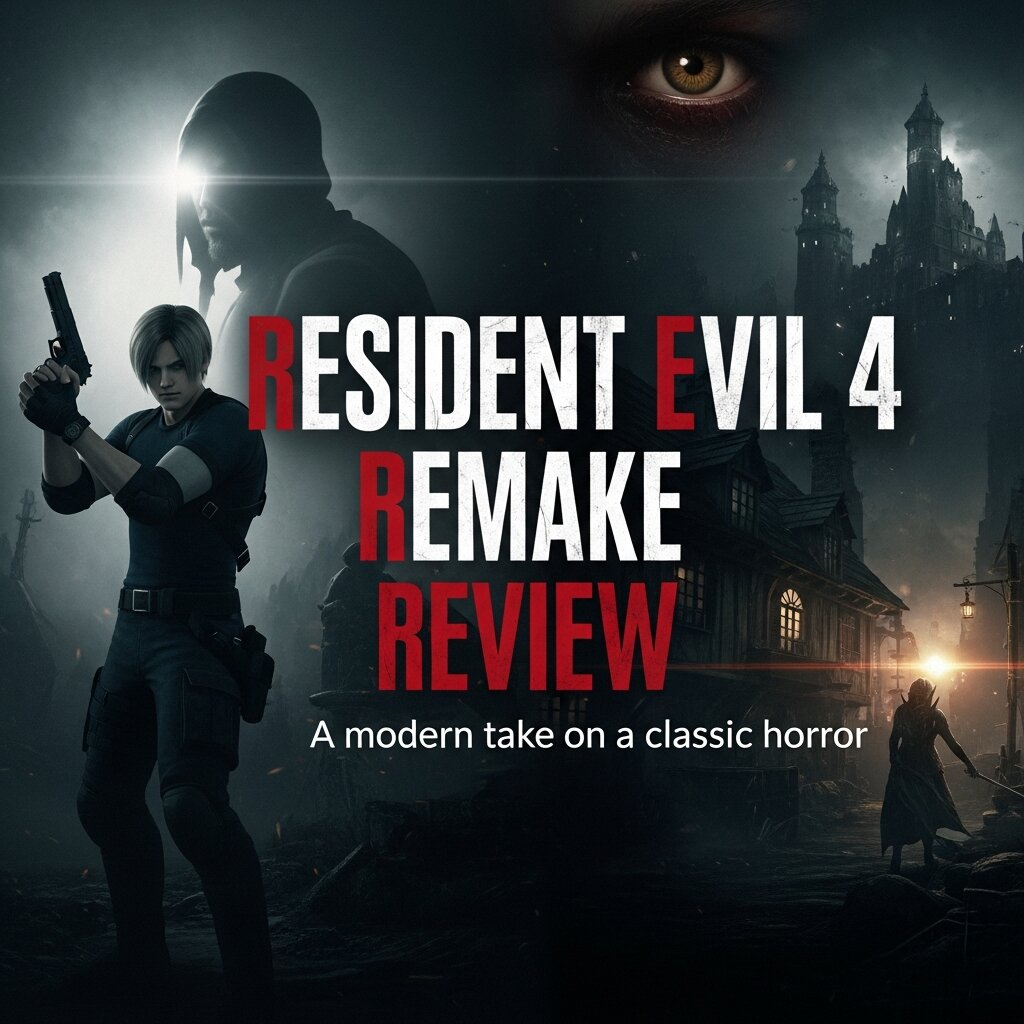
Today, the Resident Evil 4 Remake stands as a landmark in modern survival horror, demonstrating how an iconic title can be reborn with fresh intensity. This year (2026), Capcom’s decision to rebuild the classic from 2026 using the powerful RE Engine has resulted in a game that simultaneously honors its roots and embraces contemporary design philosophies. From the opening moments in a dilapidated Spanish village to the heart-pounding boss confrontations, the Resident Evil 4 Remake captures the essence of suspense while introducing mechanics, visuals, and audio that feel distinctly modern.
In today’s digital landscape, expectations are high for remakes to deliver both nostalgia and innovation. Capcom rises to the challenge by expanding character arcs, refining combat, and enhancing environmental storytelling. Whether you’re guiding Leon S. Kennedy through uncharted corridors or managing scarce resources, every decision carries weight. This comprehensive review explores how the Resident Evil 4 Remake elevates narrative depth, combat fluidity, graphical fidelity, sound design intricacies, and replay value, ultimately defining a new standard for cinematic horror. We’ll also examine how authoritative resources like MIT OpenCourseWare and the Library of Congress Video Games Collection underscore the cultural importance of video game preservation and evolution.
Reinvigorated Narrative and Character Dynamics
 The Resident Evil 4 Remake enriches the original’s storyline by deepening character interactions and expanding the world of Los Iluminados. Leon S. Kennedy, now an experienced agent, reveals layers of vulnerability beneath his steely exterior. Through new cutscenes and dialogue, players gain insight into his motivations, fears, and the psychological toll of confronting grotesque adversaries. Ashley Graham, once confined to a passive role, emerges as a more resourceful partner. Her improved AI behavior and revised dialogue sequences create genuine emotional stakes, forging a dynamic bond between captor and bodyguard.
The cult of Los Iluminados and its menacing leader, Osmund Saddler, benefit from enhanced motion-capture performances that heighten their unsettling presence. Secondary characters, including village locals and cult lieutenants, are fleshed out with side conversations that reward players who explore every corridor. These narrative refinements make each encounter feel consequential, driving the momentum forward without sacrificing the sense of dread that defines the Resident Evil franchise. In today’s digital landscape, strong storytelling remains a cornerstone of immersive gaming, and this remake delivers a narrative tapestry that honors the past while evolving for modern audiences.
Combat Mechanics and Strategic Resource Management
 Combat in the Resident Evil 4 Remake strikes a perfect balance between relentless tension and satisfying action. The over-the-shoulder viewpoint returns, now augmented with precise aiming assists and adaptive camera behavior. Enemies exhibit reactive patterns—whether it’s a regenerating stalker or a berserker lurking in the shadows—forcing players to think tactically. Ammunition scarcity is as critical as ever, and the revamped Merchant system provides a welcome touch of black-market suspense each time you negotiate upgrades or purchase essential supplies.
New melee takedowns and environmental kills introduce fresh strategic options. Contextual prompts allow Leon to use improvised weapons or perform kick-shoves to stagger foes, while damaged barrels unleash fiery surprises. The inventory grid, inspired by puzzle design principles often studied in game design programs, requires players to optimize space meticulously. This encourages thoughtful loadout decisions before venturing into enemy territory. Developers have seamlessly integrated modern quality-of-life features—quick swap menus, drill-down sorting, and customizable control schemes—without diluting the core survival horror experience. The result is a combat system that feels both nostalgic and refined for contemporary playstyles.
Visual Mastery and Performance Enhancements
Visually, the Resident Evil 4 Remake sets a new benchmark for photorealism in horror gaming. Utilizing dynamic lighting, volumetric fog, and high-resolution textures, the game transforms familiar environments into nightmarish landscapes. The Spanish village glows under lantern light, casting erratic shadows that amplify suspense, while the castle’s stone corridors ooze atmospheric dread. Character models display minute details—from dirt smudges on Leon’s attire to the grime coating enemy masks—contributing to an immersive sense of place.
Performance modes on PlayStation 5 and Xbox Series X/S allow players to choose between 4K resolution at 30fps or 60fps at 1440p, ensuring smooth gameplay on high-end hardware. On PC, an extensive suite of graphics settings, including ray-tracing toggles and texture downsampling, empowers users to tailor visual fidelity to their rig. Load times on solid-state drives are negligible, sustaining a seamless flow of tension. In today’s hardware-driven era, the ability to fine-tune performance and visuals is indispensable, and the Resident Evil 4 Remake delivers exceptional flexibility.
Immersive Sound Design and Musical Score
 Sound design takes center stage in amplifying the horror ethos of Resident Evil 4 Remake. Footsteps echo ominously through stone hallways, while distant whispers and subtle environmental audio cues heighten player anxiety. The orchestral score, interwoven with eerie industrial motifs, adapts dynamically—swelling during tense encounters and retreating during exploration to maintain a constant undercurrent of dread. Voice performances have been meticulously re-recorded, giving Leon and Ashley authentic emotional resonance.
Spatial audio support on compatible headsets transforms each corridor into a three-dimensional soundscape. Players can pinpoint the direction of scuttling noises or detect subtle creaks before a sudden attack. These auditory details evoke the same atmospheric mastery seen in top academic programs on sound arts, which often draw on research from institutions like MIT. By marrying ambient design with adaptive scoring, the Resident Evil 4 Remake crafts a chilling sound environment that remains unforgettable long after the credits roll.
Enhanced Modes, Replayability, and Community Engagement
Beyond the main campaign, the Resident Evil 4 Remake expands its longevity through multiple modes and community-driven features. The revamped Mercenaries mode introduces new maps, character skins, and objective-based challenges that incentivize score-chasing. Adaptive difficulty settings tailor enemy aggression and resource availability based on player performance, offering a personalized test of survival skills.
While the base release debuts without story DLC, Capcom’s roadmap hints at narrative expansions and additional content drops later this year (2026). The inclusion of Photo Mode encourages creative expression, allowing gamers to capture cinematic snapshots of horror’s finest moments. PC modders have already begun crafting custom scenarios, underscoring the title’s potential as a platform for community innovation. In today’s interconnected gaming ecosystem, fostering player engagement through ongoing support and user-generated content ensures that Resident Evil 4 Remake remains a focal point for horror enthusiasts worldwide.
Level Design and Environmental Storytelling
The Resident Evil 4 Remake excels in level design by blending linear progression with subtle exploration opportunities. Each area—from eerie villages to labyrinthine castles—is crafted to guide players naturally while rewarding curiosity. Environmental storytelling plays a huge role, with scattered notes, bloodstains, and decaying structures revealing the tragic history of the infected regions. The pacing between combat and exploration is carefully balanced, ensuring players never feel overwhelmed or disengaged. Hidden paths, optional treasures, and dynamic encounters keep gameplay fresh. This thoughtful design approach not only enhances immersion but also reinforces the psychological tension that defines survival horror in modern gaming.
Enemy Variety and AI Behavior
Enemy design in the Resident Evil 4 Remake has been significantly upgraded to create unpredictable and challenging encounters. From aggressive villagers to terrifying mutated creatures, each enemy type introduces unique behaviors and attack patterns. Advanced AI allows enemies to flank, coordinate attacks, and adapt to player strategies, making every fight feel dynamic. Some enemies react to sound and movement, increasing tension during stealth or exploration segments. Boss battles are particularly memorable, combining cinematic presentation with strategic depth. This variety ensures that players must constantly adapt their tactics, keeping the gameplay engaging and preventing repetition throughout the experience.
Weapon Customization and Upgrade System
The weapon system in the Resident Evil 4 Remake adds depth through meaningful customization and upgrades. Players can enhance firearms by improving attributes such as power, reload speed, and accuracy through the Merchant. Each weapon feels distinct, encouraging players to experiment with different loadouts depending on their playstyle. Resource management remains critical, as upgrading one weapon often means sacrificing upgrades for another. Special weapon abilities unlock at higher upgrade levels, adding another layer of strategy. This system not only enhances combat efficiency but also gives players a sense of progression and personalization throughout their journey.
Accessibility and Player-Friendly Features
Modern gaming demands inclusivity, and the Resident Evil 4 Remake delivers with a range of accessibility options. Players can customize controls, adjust difficulty levels, and enable aim assists to suit their preferences. Visual settings such as subtitle size, color contrast, and HUD adjustments improve usability for a wider audience. Audio cues and vibration feedback further enhance immersion while supporting players with different needs. These features ensure that both newcomers and experienced players can enjoy the game comfortably. By prioritizing accessibility, the remake aligns with contemporary standards and broadens its appeal across diverse gaming communities.
Cultural Impact and Legacy of the Franchise
The Resident Evil 4 Remake not only revitalizes a classic but also reinforces the enduring legacy of the Resident Evil series. The original game revolutionized third-person shooters, and this remake continues that influence by setting new benchmarks in design and storytelling. It highlights the importance of preserving iconic titles while adapting them for modern audiences. The game also sparks discussions about video game preservation, innovation, and artistic value. In 2026, its success demonstrates how remakes can bridge generations of players, ensuring that legendary gaming experiences remain relevant and impactful in an ever-evolving industry.
Conclusion
In conclusion, the Resident Evil 4 Remake exemplifies how to modernize a genre-defining classic while preserving its original essence. With enriched storytelling, refined combat mechanics, cutting-edge visuals, and a haunting audio landscape, this remake not only satisfies longtime fans but also captivates new audiences. The game’s flexible performance settings, replayable modes, and community-centric features ensure lasting appeal in contemporary gaming culture. In an era where high expectations and rapid technological progress define success, the Resident Evil 4 Remake emerges as a masterful tribute and a bold step forward for survival horror.
Read more about this topic: Resident Evil 4 Remake Review: A Reimagined Horror Masterpiece