Gathering user feedback often feels like a chore for both the creator and the consumer. Traditional surveys and feedback forms are frequently ignored, rushed, or abandoned halfway through. Users simply do not want to spend their free time filling out monotonous forms without any tangible return for their effort.
This is where the concept of a review games zone comes into play. By transforming the feedback process into an interactive, rewarding experience, companies can drastically increase participation rates while gathering much higher-quality data. It shifts the dynamic from a boring obligation to an engaging activity.
When users feel like they are playing rather than working, they are far more likely to provide honest, detailed insights. This gamified approach works across various industries, but it is especially effective for digital products, educational platforms, and software development.
If your current feedback strategy is falling flat, creating a dedicated interactive space might be the solution. We will explore how to build a highly effective review games zone, why gamification works so well, and how to utilize these interactive methods to elevate your user engagement strategy.
The Psychology Behind Gamified Feedback
 Humans are naturally drawn to play, competition, and rewards. When we engage in a game, our brains release dopamine, a neurotransmitter associated with pleasure and motivation. Traditional feedback methods completely lack this neurological trigger. A review games zone introduces elements of play into the feedback loop, capturing the user’s attention and holding it.
Instant Gratification and Reward Systems
A major reason why interactive feedback works is the promise of immediate reward. When a user completes a level or answers a series of questions, they receive instant points, badges, or unlockable content. This immediate validation encourages them to continue participating. Instead of wondering if their feedback will ever be read, they see an immediate result for their contribution.
Friendly Competition
Many people are motivated by social status and competition. By adding leaderboards to your review games zone, you tap into this competitive nature. Users will often provide more game reviews or fill out more feedback forms simply to see their name climb the ranks. This competitive element creates a community feel, encouraging users to return and participate repeatedly.
Core Elements of a Successful Review Games Zone
Not all gamified systems are created equal. Slapping a point system onto a boring survey will not magically fix your engagement rates. To build a truly effective review games zone, you need to incorporate several specific elements that blend seamlessly with your brand and product.
Engaging Visuals and Avatars
Your interactive zone should look and feel distinctly different from a standard web form. Use bright colors, animations, and sound effects to signal to the user that they are entering a playful space. Allowing users to create or customize avatars adds a layer of personal investment. As they leave more feedback and game reviews, their avatar can evolve or unlock new cosmetic items.
Progression Systems
A good game has a clear sense of progression, and your feedback system should be no different. Implement a leveling system where users start as beginners and work their way up to expert or VIP status. As they level up by providing consistent, high-quality feedback, they can unlock real-world rewards like discounts, early access to new features, or exclusive content.
Micro-Interactions
Break down long surveys into bite-sized micro-interactions. Instead of asking a user to write a long paragraph, present them with a swipeable card interface, a drag-and-drop ranking system, or a quick reaction mini-game. These short, snappy interactions prevent fatigue and keep the user moving smoothly through the feedback process.
How to Implement Your Interactive Zone
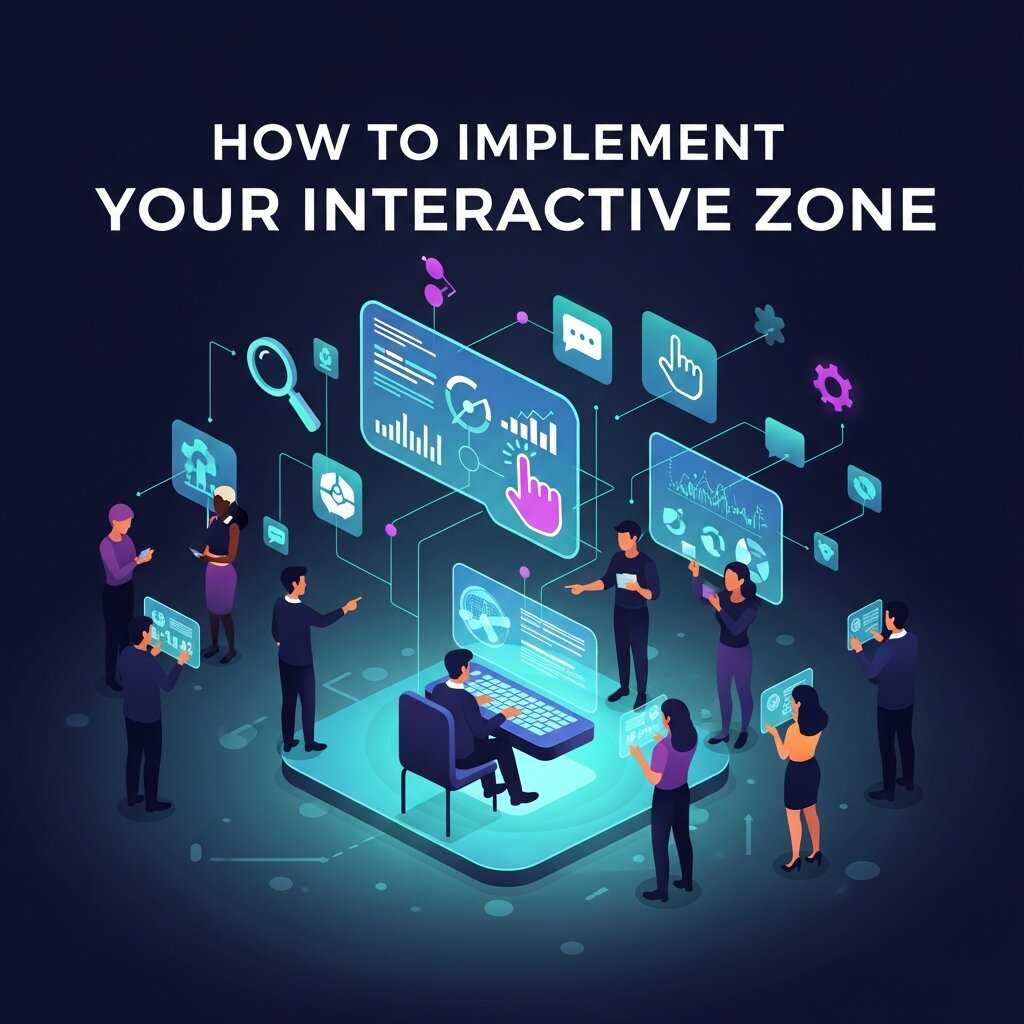 Building this type of system requires careful planning. You must balance the fun elements of the game with the practical need to gather useful, actionable data.
Step 1: Define Your Goals
Before you write a single line of code or design an interface, you must know what information you need. Are you trying to find bugs in a new software release? Do you need opinions on a recent UI update? Or are you simply trying to gather general game reviews for marketing purposes? Your goals will dictate the types of interactive challenges you design.
Step 2: Choose Your Mechanics
Select game mechanics that align with your audience. If your target demographic is highly competitive, focus on leaderboards and timed challenges. If your audience is more casual, focus on discovery, customization, and slow-paced puzzle elements. Match the mechanic to the demographic to ensure maximum participation.
Step 3: Keep the Barrier to Entry Low
The biggest mistake you can make is making the game too difficult to understand. The rules of your review games zone should be intuitive. Users should not need a tutorial to figure out how to leave feedback. Keep the interface clean, the objectives clear, and the rewards obvious.
Step 4: Analyze the Data
Once your zone is active and users are playing, you must actively monitor the data coming in. Gamified feedback can sometimes lead to rushed answers if users are only clicking randomly to get points. Implement checks to ensure the data quality remains high, such as hiding Easter egg questions to verify the user is actually reading the prompts.
The Impact on Game Reviews
The gaming industry itself benefits massively from this model. Developers rely heavily on game reviews to patch bugs, adjust difficulty curves, and plan future content. However, players often only leave reviews if they are extremely angry or incredibly thrilled.
By creating an interactive review games zone within the game client or on the community website, developers capture the silent majority. Players can earn in-game currency or exclusive skins by completing feedback quests. This yields a much broader, more accurate picture of the player base’s overall sentiment. It turns the act of reviewing into an extension of the gameplay itself.
Best Practices for Sustaining Engagement
Launching your interactive feedback space is only the beginning. To keep users coming back, you must treat the zone as a living, breathing product.
Refresh Content Regularly
Just like a video game gets stale if it never updates, your feedback zone will lose its appeal if the questions and rewards never change. Introduce seasonal events, temporary leaderboards, and rotating reward pools. When users know that certain rewards are only available for a limited time, it creates a sense of urgency that drives participation.
Acknowledge User Contributions
Gamification works best when users feel their input actually matters. Highlight top contributors in your newsletters or community updates. Show users exactly how their feedback was used to improve the product. When people see that their game reviews led to a tangible change, their loyalty to your brand strengthens immensely.
Balance the Economy
If your review games zone relies on points or virtual currency, you must manage that economy carefully. If points are too easy to earn, the rewards lose their value. If they are too hard to earn, users will become frustrated and quit. Monitor how quickly users are progressing and adjust the difficulty or reward payouts accordingly to maintain a healthy balance.
Personalization in Gamified Feedback
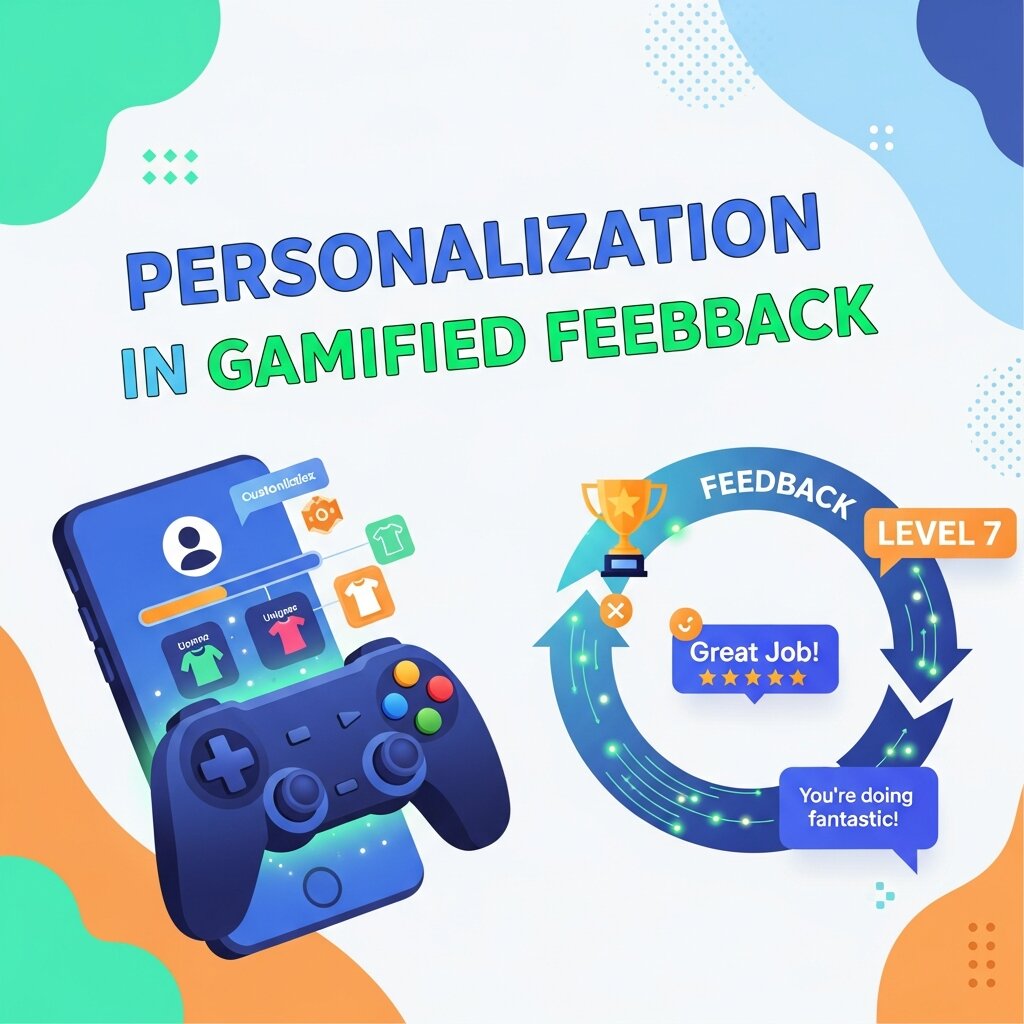 Personalization plays a crucial role in making a review games zone more engaging and effective. Instead of offering the same experience to every user, you can tailor challenges, rewards, and feedback prompts based on individual behavior and preferences. For example, a frequent user might receive advanced-level challenges, while a new user starts with simple tasks. Personalized recommendations for feedback topics also make the experience feel more relevant. When users feel that the system understands their interests, they are more likely to participate actively. This approach not only increases engagement but also improves the quality of insights, as users provide feedback that aligns closely with their actual experiences.
Integrating Social Sharing Features
Adding social sharing capabilities can significantly amplify the impact of your review games zone. When users achieve milestones, unlock badges, or top leaderboards, allowing them to share these accomplishments on social platforms creates organic promotion for your brand. This not only boosts visibility but also attracts new users who are curious about the interactive experience. Social features also encourage friendly competition among peers, further increasing engagement. Additionally, users feel a sense of pride when showcasing their achievements publicly. By combining gamification with social sharing, you turn feedback into a community-driven activity that extends beyond your platform and strengthens your brand presence.
Mobile Optimization for Better Accessibility
A large portion of users interact with digital platforms through their smartphones, making mobile optimization essential for any review games zone. The interface should be responsive, fast, and easy to navigate on smaller screens. Touch-friendly controls, simplified layouts, and quick-loading interactions ensure a smooth user experience. If the platform feels clunky or slow on mobile devices, users are likely to abandon it quickly. Optimizing for mobile also allows users to provide feedback anytime and anywhere, increasing participation rates. By prioritizing accessibility and convenience, you remove barriers that might prevent users from engaging with your gamified feedback system regularly.
Data Privacy and User Trust
While gamification encourages users to share more information, maintaining trust is essential. Users need to feel confident that their data is being handled securely and responsibly. Clearly communicate how the collected feedback will be used and ensure compliance with data protection regulations. Providing options for anonymous feedback can also increase participation, especially for sensitive topics. Transparency builds credibility and reassures users that their input is valued and protected. When trust is established, users are more willing to engage deeply with your review games zone, resulting in more honest and meaningful feedback that benefits your overall strategy.
Incentivizing Long-Term Participation
Short-term engagement is valuable, but sustaining user interest over time is the real challenge. To achieve this, your review games zone should include long-term incentives such as seasonal rewards, loyalty tiers, or cumulative achievements. Instead of offering one-time rewards, create a system where consistent participation leads to greater benefits. For example, users who regularly provide feedback over several months could unlock exclusive perks or recognition. This approach encourages users to return repeatedly rather than engaging once and leaving. Building a sense of progression over time transforms occasional participants into loyal contributors who actively support your platform’s growth.
Cross-Platform Integration Opportunities
Integrating your review games zone with other platforms and tools can significantly enhance its effectiveness. For instance, connecting it with your website, mobile app, or CRM system allows you to collect and analyze feedback more efficiently. Cross-platform integration ensures that user activity is synchronized, providing a unified experience regardless of where the interaction takes place. It also enables you to use feedback data to improve other aspects of your business, such as marketing campaigns or product development. By creating a connected ecosystem, you maximize the value of your gamified feedback system and ensure that insights are seamlessly applied across your operations.
Frequently Asked Questions
What exactly is a review games zone?
It is an interactive platform or section of a website where the process of leaving feedback, filling out surveys, or writing reviews is turned into a game. Users earn points, badges, or rewards for participating.
How do game reviews benefit from this gamified model?
Gamification encourages a higher volume of reviews from a wider variety of users, rather than just the most vocal critics or superfans. It incentivizes thoughtful participation by rewarding the user for their time.
Is gamified feedback expensive to implement?
It depends on the scale. A fully custom 3D environment will be costly, but you can also use affordable, off-the-shelf plugin tools to add simple point systems, badges, and progress bars to your existing website.
Does gamification decrease the quality of feedback?
If poorly designed, users might click randomly just to earn points. However, by asking specific questions, filtering out unusually fast responses, and rewarding detailed answers, you can actually increase the overall quality of your data.
Can non-gaming companies use a review games zone?
Absolutely. E-commerce sites, educational platforms, and SaaS companies all successfully use gamified feedback to increase customer engagement and gather product insights.
Level Up Your Feedback Strategy
Rethinking how you ask for user opinions can completely transform your relationship with your audience. A review games zone respects the user’s time by making the process genuinely enjoyable. It replaces the tediousness of traditional surveys with the excitement of progression and reward.
By taking the time to design a space where feedback is fun, you open the door to deeper user engagement, richer data sets, and a much stronger community. Start small, test different mechanics, and watch as your users happily play their way into helping you build a better product.