Buying a new game is rarely a small decision. Between rising price tags, packed release calendars, and a backlog that never seems to shrink, you want to know a title is worth your time before you hit “purchase.” That’s where good console game reviews come in. They cut through the hype, flag the dealbreakers, and help you spend your money on games you’ll actually finish.
But not all reviews are created equal. Some chase clicks, others read like marketing copy, and a few genuinely respect both the medium and your time. The best ones blend honest critique with real insight, telling you how a game feels to play rather than just listing its features.
In this guide, we’ll walk through the console game reviews every gamer should read, the qualities that separate great reviews from forgettable ones, and where to look depending on the type of game you love. We’ll also touch on how console reviews stack up against board game reviews and indie write-ups like a classic Undertale game review or a Roblox Game Review, so you can build a well-rounded reading list no matter your platform of choice.
What makes a console game review worth reading?
Before we get into specific recommendations, it helps to know what you’re looking for. A strong review does more than slap a number at the bottom of the page.
Here are the traits that set the best console game reviews apart:
- Hands-on playtime: The reviewer has actually finished the game, or played enough to speak with authority. Snap judgments based on the first hour rarely tell the full story.
- Clear context: Good reviews explain who a game is for. A punishing soulslike might earn a glowing score for genre fans and a warning label for newcomers.
- Balanced critique: Even great games have flaws. A trustworthy review names them without turning the whole piece into a takedown.
- Technical honesty: Frame rates, load times, and bugs matter. The best reviewers test performance and tell you whether the game runs well on your specific console.
- No spoilers: A quality review tells you whether the story lands without ruining the moments that make it land.
Once you know these markers, you can spot a thoughtful review within a paragraph or two—and skip the ones padded with fluff.
The best sources for console game reviews
Different outlets bring different strengths. Some excel at blockbuster coverage, while others shine when reviewing smaller, stranger titles. Here are the sources worth bookmarking.
Major outlets with consistent quality
These publications have the resources to review games quickly and thoroughly, often securing early access so their reviews land at launch.
- IGN: One of the largest gaming sites in the world, IGN covers nearly every console release. Its reviews use a clear 10-point scale and pair written critiques with video coverage—handy if you’d rather see a game in motion.
- GameSpot: Known for detailed written reviews that dig into mechanics and pacing, GameSpot tends to take a measured, critical tone that suits players who want substance over excitement.
- Eurogamer: This outlet dropped numerical scores years ago in favor of “Essential,” “Recommended,” and “Avoid” labels. The result is criticism that focuses on the experience rather than chasing a perfect 10.
- Polygon: Polygon blends cultural commentary with reviews, often exploring what a game says about the world around it. It’s a strong pick for readers who care about storytelling and themes.
Specialist and community-driven reviews
Sometimes the most useful take comes from a smaller voice or a community consensus rather than a single critic.
- Metacritic and OpenCritic: These aggregators pull scores from dozens of outlets into a single number. They’re great for a quick gut check, though it’s always worth reading a few full reviews behind the average.
- Digital Foundry: If technical performance is your priority, Digital Foundry is unmatched. Its deep-dive analyses break down resolution, frame rates, and how a game performs across PS5, Xbox Series X|S, and Switch.
- User reviews on Steam and console storefronts: While these can be noisy, patterns in user feedback often reveal launch-day bugs or quality-of-life issues that early professional reviews miss.
Console game reviews by genre
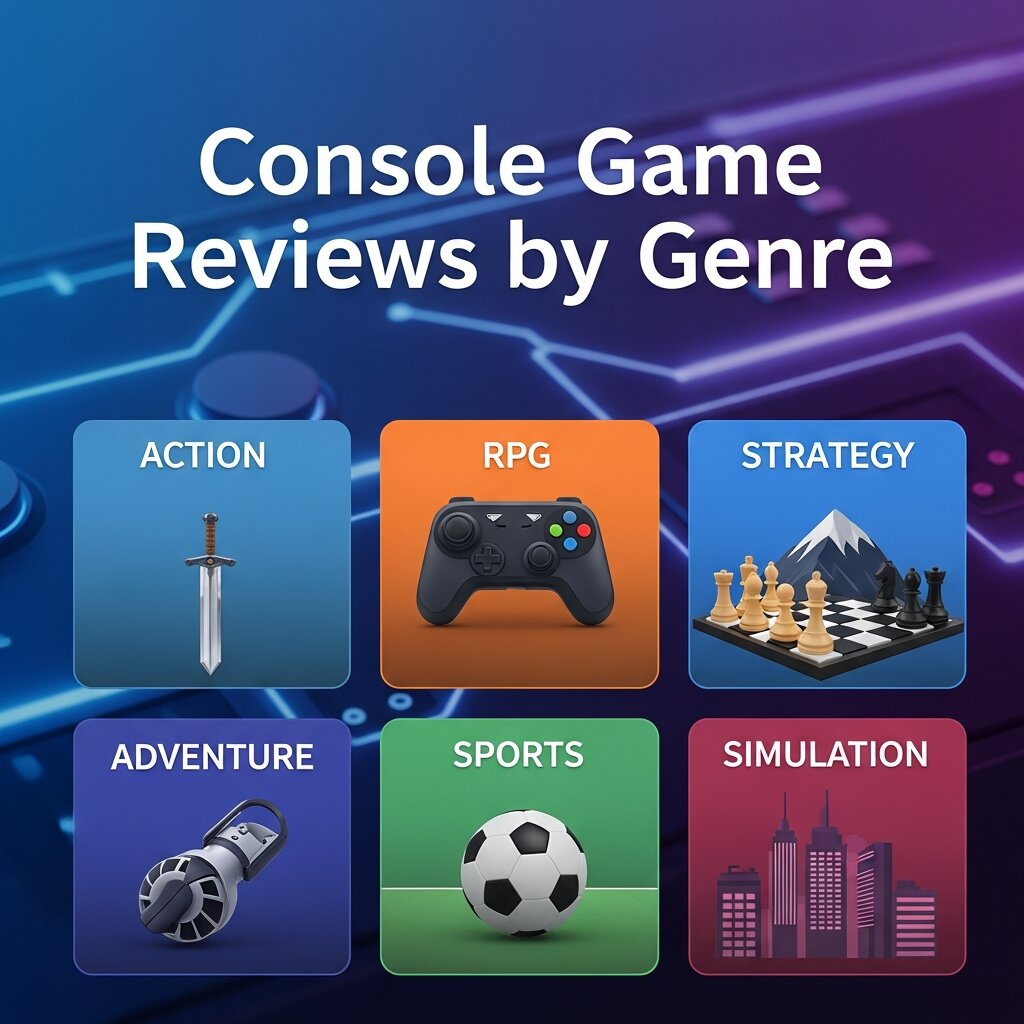 The “best” review source often depends on what you play. A racing fan and a horror fan have very different needs, so it pays to match your reading to your taste.
Action and adventure titles
Sprawling, cinematic games like God of War Ragnarök or Marvel’s Spider-Man 2 reward reviews that examine pacing and combat depth over dozens of hours. Look for write-ups that comment on how the game holds up in its back half, since many big adventures sag in the middle.
Role-playing games
RPGs demand enormous time investments, so reviews here are especially valuable. A good RPG review will tell you how the systems evolve, whether side quests feel meaningful, and how the story pays off. For genre fans, reviews that compare a new release to established classics can be incredibly helpful.
Indie and experimental games
This is where things get interesting. An Undertale game review, for instance, taught a generation of critics that a modest-looking game could deliver one of the most emotionally resonant stories in the medium. When reading indie reviews, prioritize voices that appreciate creativity and aren’t fixated on production budgets. Outlets like Polygon and smaller blogs often cover these gems with the care they deserve.
Multiplayer and live-service games
Games that evolve over time, such as Fortnite or Helldivers 2, are tricky to review at launch. The best coverage revisits these titles months later to assess how they’ve grown. A single review from release day rarely captures a live-service game’s full arc.
How console reviews compare to other gaming reviews
Console game reviews are just one slice of a much bigger reviewing landscape. Understanding how they differ from other formats can sharpen the way you read all of them.
Take board game reviews. These focus on rules clarity, replayability, and how a game plays with different group sizes—factors that have no direct console equivalent. A great board game reviewer spends time explaining setup and player interaction, things you’d never see in a console critique.
Then there’s the world of platform-specific coverage. A Roblox Game Review often evaluates user-generated experiences, judging creativity and community engagement rather than polished production values. Reading these reviews can stretch your sense of what “a game” even means, since the standards shift so dramatically from one platform to the next.
The takeaway is simple: the more review styles you read, the better you understand what you personally value in a game. Someone who reads board game reviews might come to appreciate replayability more, while a fan of indie coverage may learn to weigh creativity over graphics.
How to read reviews without spoiling the fun
 Reviews are tools, not verdicts. Used well, they save you money and disappointment. Used poorly, they can rob a game of its surprises or push you away from something you’d have loved.
Here are a few habits that help:
- Read more than one: A single review reflects one person’s taste. Three or four reveal a consensus—and the points where opinions diverge.
- Match the reviewer to your taste: If a critic loves slow, story-heavy games and you crave fast action, weigh their score accordingly.
- Watch for spoiler warnings: Many outlets flag spoiler-heavy sections. Respect those flags if you want to go in fresh.
- Mind the score inflation: A 7 out of 10 is a solid game, not a failure. Train yourself to read the words, not just the number.
- Revisit live-service reviews: For games that change over time, check whether the outlet published a follow-up before you commit.
Treat reviews as a starting point for your own judgment, not a substitute for it.
Common Mistakes Gamers Make When Reading Reviews
Many gamers make the mistake of focusing only on review scores instead of reading the full analysis. A game rated 7 out of 10 might still be perfect for your tastes, while a critically acclaimed title may not suit your playstyle. Another common error is relying on a single reviewer or outlet. Different critics value different aspects of gaming, from storytelling to technical performance. Ignoring user reviews can also be risky, as players often uncover issues that professional reviewers miss. The best approach is to compare multiple perspectives and use reviews as guidance rather than as the final word on a game’s quality.
How Video Reviews Are Changing Game Criticism
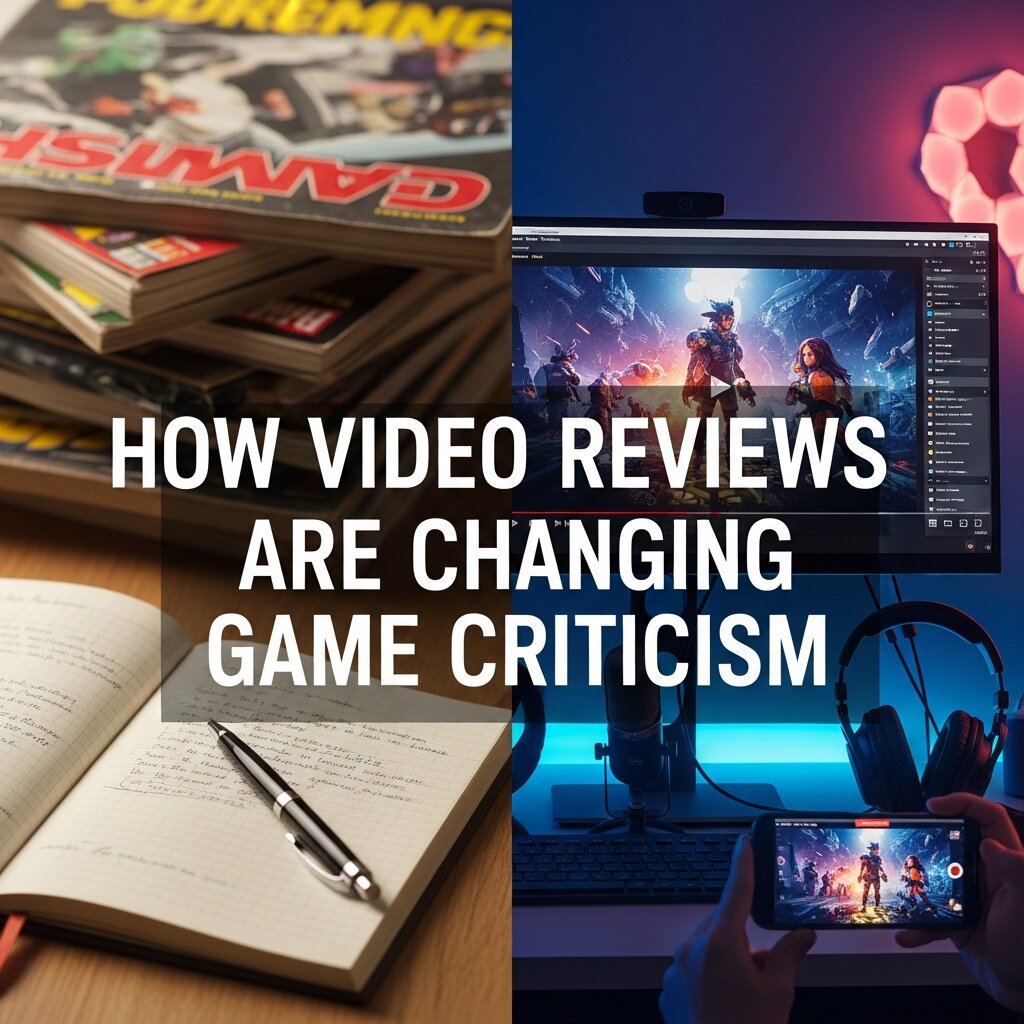 Video reviews have become one of the most popular ways to evaluate games before buying. Unlike written reviews, videos let viewers see gameplay footage, graphics quality, animations, and user interfaces in action. Many gamers prefer watching combat systems, exploration mechanics, or multiplayer matches before making a purchase decision. Content creators on platforms like YouTube also provide long-term impressions and update their opinions as games evolve. While video reviews are engaging and informative, it’s still important to combine them with written critiques to gain deeper insights into game design, storytelling, and overall player experience.
The Future of Console Game Reviews
Console game reviews continue to evolve alongside the gaming industry. Artificial intelligence, cloud gaming, and subscription services are changing how players discover and evaluate new titles. Reviewers now consider factors beyond graphics and gameplay, including accessibility options, post-launch support, and community engagement. Interactive reviews featuring gameplay clips, live streams, and user feedback are becoming increasingly common. At the same time, gamers are seeking more transparency and authenticity from critics than ever before. As technology advances, the most trusted reviews will remain those that combine honest opinions, thorough analysis, and a genuine understanding of what players value most.
FAQs
1. What are console game reviews?
Console game reviews are evaluations of video games released on gaming consoles such as PlayStation, Xbox, and Nintendo systems. They assess gameplay, graphics, story, performance, and overall value to help players make informed purchasing decisions.
2. Why should I read console game reviews before buying a game?
Reading reviews helps you understand a game’s strengths and weaknesses before spending money. Reviews can reveal important details about gameplay quality, technical performance, replayability, and whether the game matches your preferences.
3. Which websites offer the best console game reviews?
Some of the most trusted sources include IGN, GameSpot, Eurogamer, Polygon, Digital Foundry, OpenCritic, and Metacritic. Each outlet has its own review style, so reading multiple perspectives is often the best approach.
4. Are user reviews as reliable as professional reviews?
Both have value. Professional reviews provide structured analysis and expert opinions, while user reviews often highlight real-world experiences, bugs, and long-term satisfaction. Combining both gives a more balanced view.
5. How important are review scores?
Review scores can offer a quick overview, but they shouldn’t be the only factor in your decision. Reading the full review provides context about gameplay mechanics, story quality, and technical issues that a score alone cannot explain.
6. Can console game reviews contain spoilers?
Most reputable reviewers avoid major spoilers and clearly warn readers before discussing important story details. However, it’s always a good idea to check spoiler policies if you want to experience a game completely fresh.
7. How are live-service games reviewed?
Live-service games are often reviewed multiple times because they evolve through updates, new content, and balance changes. Initial reviews may differ significantly from later evaluations as the game grows.
8. Are indie game reviews different from AAA game reviews?
Yes. Indie game reviews often focus more on creativity, storytelling, and innovation, while AAA reviews may place greater emphasis on graphics, production quality, and large-scale gameplay systems.
9. What factors make a console game review trustworthy?
A trustworthy review is based on substantial playtime, provides balanced criticism, explains who the game is for, discusses technical performance, and avoids excessive hype or bias.
10. Should I rely on one review or read multiple opinions?
It’s best to read multiple reviews. Different reviewers have different tastes, and comparing opinions helps you identify common strengths and weaknesses while deciding whether a game suits your interests.
Build your reading list and play smarter
Great console game reviews do more than tell you whether to buy something—they deepen your appreciation for the games you already love. By following trustworthy outlets like IGN, GameSpot, Eurogamer, and Digital Foundry, and by branching out into indie coverage, board game reviews, and even a Roblox Game Review now and then, you’ll develop a sharper eye for quality.
The next time a big release looms, resist the urge to buy on impulse. Spend ten minutes reading a couple of well-written reviews from critics whose taste matches yours. You’ll waste less money, discover hidden gems, and spend more of your gaming hours on titles that truly deliver.