
High school students often dread the days leading up to a major exam. Traditional study methods, such as filling out thick packets or quietly reading textbook chapters, can quickly drain the energy from a room. Teenagers spend their entire day sitting at desks absorbing information, and when it comes time to synthesize that knowledge, they need something dynamic to jolt them awake.
This is exactly why review games for high school have become an essential tool for secondary educators. Turning study sessions into interactive experiences shifts the classroom dynamic entirely. Instead of passively receiving information, students actively retrieve it, collaborating with peers and moving around the room. This active retrieval strengthens neural pathways and dramatically improves retention right before a crucial test.
Implementing gameplay in an older classroom requires a delicate balance. High schoolers can easily spot activities that feel childish, yet they remain highly competitive and deeply motivated by the right incentives. You need strategies that respect their maturity while still allowing them to have fun.
If you want to breathe new life into your test preparation days, you need a diverse toolkit of activities. Below, we explore several highly effective, engaging, and creative review games that will completely transform how your students prepare for assessments.
The Cognitive Benefits of Classroom Gamification
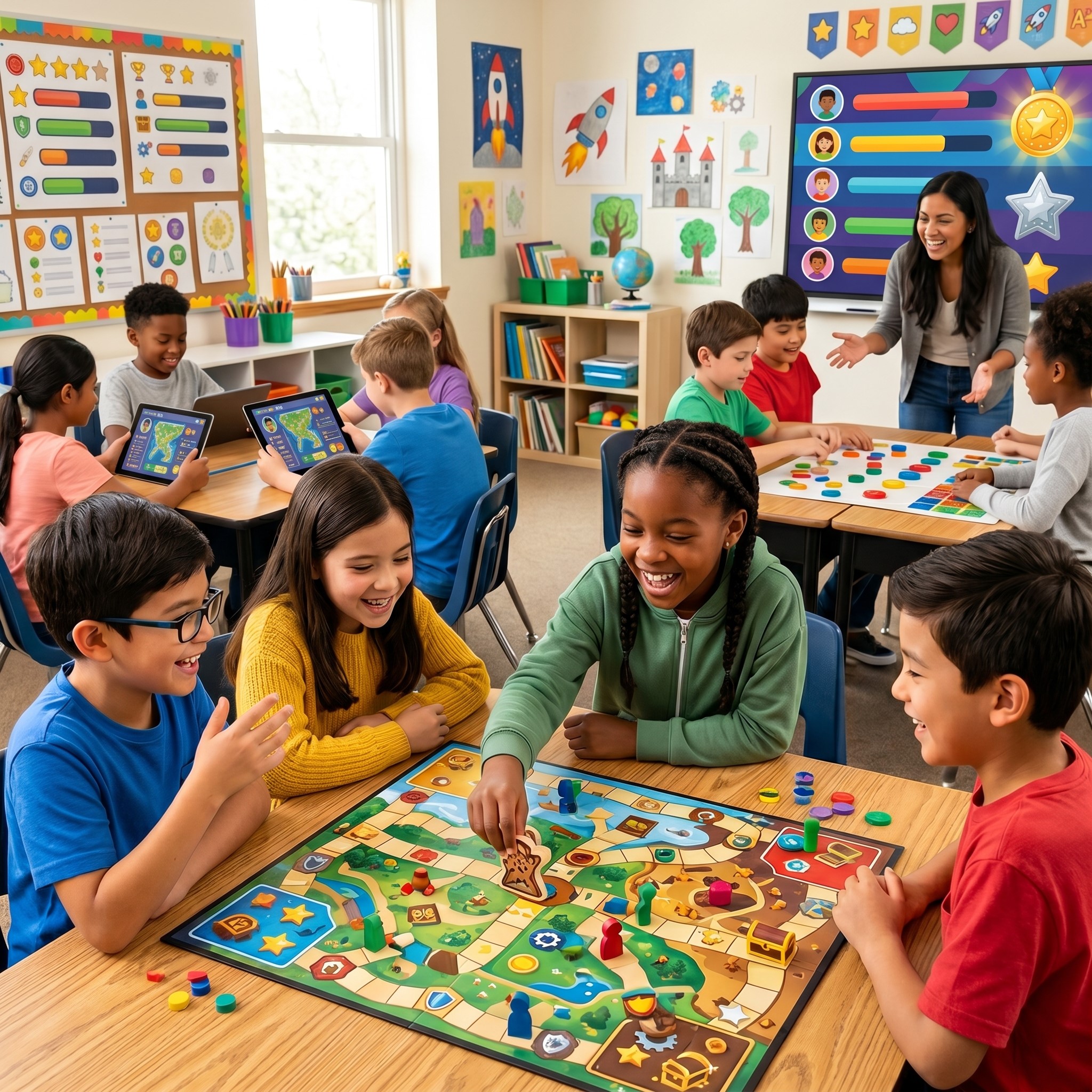 Before diving into specific activities, it helps to understand why gamification works so well for teenagers. Adolescence is a period of significant brain development, particularly in areas related to reward processing and social interaction. When students play a game, their brains release dopamine, a neurotransmitter associated with pleasure and learning. This dopamine release not only makes the experience enjoyable but also signals the brain to remember the information associated with the activity.
Furthermore, games naturally introduce a concept known as the “testing effect.” Every time a student answers a question during a game, they are practicing memory retrieval. Studies consistently show that practicing retrieval is far more effective for long-term retention than simply reviewing notes. When you add a layer of friendly competition, students push themselves harder to recall facts quickly and accurately.
Finally, review games foster a collaborative environment. Many high schoolers hesitate to answer questions during a standard lecture for fear of being wrong in front of their peers. In a team-based game, that pressure is diffused across the group. Students debate answers, explain concepts to one another, and build a sense of community that extends beyond the content itself.
Top Review Games for High School Students
The best review games for high school are those that require minimal setup from the teacher but deliver maximum engagement from the students. Here are several proven formats to try in your classroom.
1. Trashketball
Trashketball is an absolute staple in the secondary classroom because it requires almost no preparation and taps into students’ natural competitive instincts. All you need is a clean trash can (or a large bucket), a soft ball or a crumpled-up piece of paper, and a list of review questions.
How to Play:
Divide your class into small teams of three to four students. Present a question to the entire class. Every team must discuss the question and write their final answer on a whiteboard. When you call time, all teams reveal their answers simultaneously.
Every team that gets the answer correct earns a base point. However, the real excitement comes next. One representative from each correct team gets to shoot the ball into the trash can from a designated line. If they make the shot, their team earns an additional bonus point. You can even set up a two-point line and a three-point line to add a layer of strategic risk-taking.
Why it Works:
This game ensures 100% participation because every team must answer every question to get a chance to shoot. It also levels the playing field; a team that struggles academically but has a great paper-thrower can still stay competitive and engaged.
2. Narrative Branching Adventures
Modern teenagers are deeply invested in interactive storytelling. If you read an undertale game review, you will quickly notice how much praise the game receives for giving players agency and making their choices matter. You can harness this exact psychological hook by structuring your review as a branching narrative.
How to Play:
Create a slide presentation where the class works together to survive a fictional scenario—like a zombie apocalypse, a spaceship malfunction, or a historical event. Present a content-based review question. If the class (or a specific team) answers correctly, they get to choose the next path in the story. If they answer incorrectly, they face a narrative penalty or an obstacle.
If you look at a split fiction game review, you can see how merging different genres or storylines keeps participants on their toes. You might start your review session as a standard mystery, only to reveal it is a sci-fi adventure halfway through.
Why it Works:
This method captures the imagination of students who might not care about sports-themed games like Trashketball. It turns studying into a collective story-building exercise.
3. Station Rotation Mini-Games
Sometimes, focusing on one long game can cause attention to drift. Instead, set up multiple short, fast-paced stations around the room. A quick Roblox game review will tell you that platforms featuring dozens of rapidly changing mini-games hold teenage attention incredibly well. You can replicate this in your physical space.
How to Play:
Create five or six stations around your classroom. Each station should feature a different type of review activity. One station might have a vocabulary crossword puzzle, another might feature a matching card game, a third could have a mini-whiteboard diagram drawing challenge, and a fourth might involve answering a short prompt on a laptop.
Set a timer for seven to ten minutes per station. When the timer goes off, play a specific song, and students must rotate to the next mini-game.
Why it Works:
The constant movement and shifting of tasks prevent boredom. It also allows you to test different types of knowledge—from rote memorization to complex synthesis—within a single class period.
4. Grudgeball
Grudgeball is not for the faint of heart, but it is undeniably one of the most exciting review games for high school classes. It requires a whiteboard, a list of questions, and a soft ball.
How to Play:
Divide the class into five or six teams. On the whiteboard, draw ten “X” marks under each team’s name. Ask a question to a specific team (or have all teams answer on whiteboards). If a team gets the answer correct, they are allowed to erase two “X” marks from any other team on the board.
Before they erase, they can shoot the soft ball into a basket from a distance. If they make the shot, they can erase three “X” marks instead of two. The goal is to be the last team with marks remaining on the board.
Why it Works:
The shifting alliances and friendly betrayals make this game hilarious and highly engaging. Students will desperately want to answer questions correctly just so they can take revenge on a team that previously erased their marks.
5. Escape Room Challenges
Educational escape rooms have surged in popularity because they require critical thinking, teamwork, and content synthesis. They transform a standard worksheet into a high-stakes puzzle.
How to Play:
Group your review questions into “locks.” For example, the first four questions might have numerical answers. The combination of those four numbers unlocks the next envelope or digital form. You can use physical lockboxes if you have them, or you can easily create digital locks using Google Forms by utilizing the response validation feature.
Set a strict time limit for the class period. Provide a dramatic backstory (e.g., “You are locked in a laboratory and must solve these chemistry equations to synthesize the antidote before the bell rings”).
Why it Works:
Escape rooms promote intense collaboration. Students naturally divide the labor, check each other’s work, and engage in high-level discussions about the content to ensure they break the codes in time.
6. The Flyswatter Game
This game is incredibly simple but generates a massive amount of energy. It is particularly useful for foreign language classes, science vocabulary, or historical dates.
How to Play:
Write dozens of terms, dates, or concepts randomly all over your main whiteboard. Divide the class into two teams. One representative from each team comes to the front of the room, and you hand them each a clean, unused flyswatter.
Read a definition, describe a historical event, or give a scenario. The two students at the board must race to find the correct corresponding term on the board and “swat” it with their flyswatter. The first person to hit the correct answer earns a point for their team.
Why it Works:
The physical act of racing to the board and swatting the answer provides a great kinesthetic release for students. The rest of the team gets highly invested, cheering on their representative and trying to visually guide them to the right spot.
Best Practices for Managing Classroom Gamification
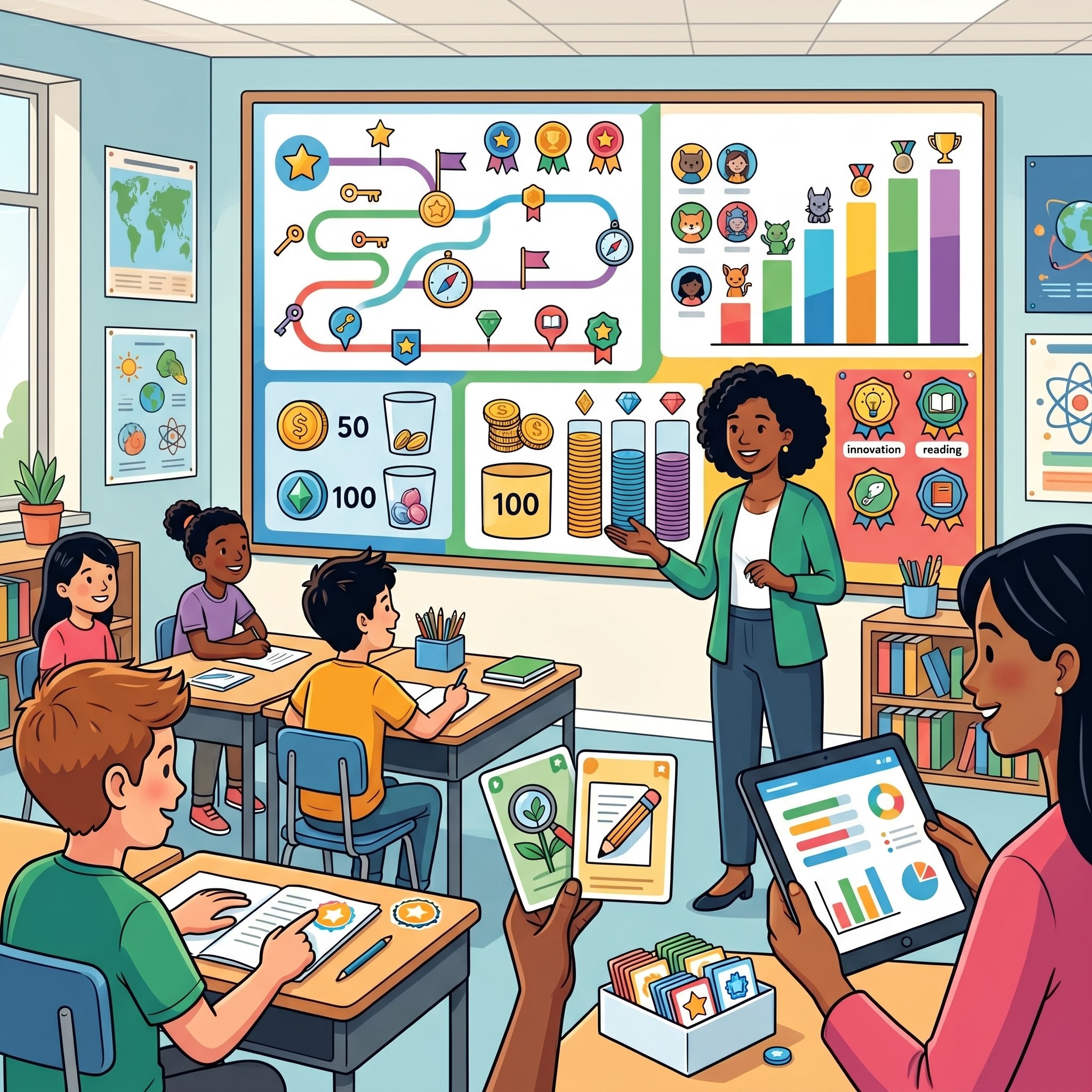 While review games for high school are fantastic for engagement, they can occasionally lead to volume control issues or off-task behavior. To keep your lessons productive, you need a strong framework.
First, establish clear expectations before the game begins. Explain the rules of conduct, the acceptable noise level, and the consequences for poor sportsmanship. High schoolers appreciate boundaries, even if they occasionally test them. Let them know that the privilege of playing games depends on their ability to handle the excitement responsibly.
Second, ensure that your groups are balanced. If one team dominates the entire class period, the other students will quickly disengage. You can balance teams by mixing academic abilities, or you can randomize groups completely so that no one feels targeted.
Third, make sure your questions range in difficulty. If every question is incredibly challenging, students will give up. If every question is too easy, they will get bored. Start with foundational recall questions to build confidence, then slowly ramp up to more complex synthesis and application prompts. This escalation keeps the cognitive load appropriate and pushes students to think deeper as the game progresses.
Finally, always leave time for a debrief. The game itself is just the vehicle; the actual goal is content mastery. Reserve the last five to ten minutes of class to review the questions that most teams struggled with. This targeted reteaching is incredibly valuable because you now have explicit data on exactly which concepts need to be clarified before the exam.
Elevate Your Test Preparation Strategies
 Preparing for assessments does not have to be a grueling exercise in quiet endurance. By introducing structured, competitive, and creative activities, you can completely change the atmosphere of your room. Students will walk into class excited rather than anxious, ready to collaborate and show off their knowledge.
Take the time to experiment with different formats. Your first period class might thrive on the chaotic energy of Grudgeball, while your fourth period might prefer the quiet intensity of an Escape Room challenge. As you build your repertoire of activities, you will discover that testing days become opportunities to celebrate learning rather than moments of stress. Gather your materials, divide up the teams, and watch your students actively engage with the curriculum like never before.