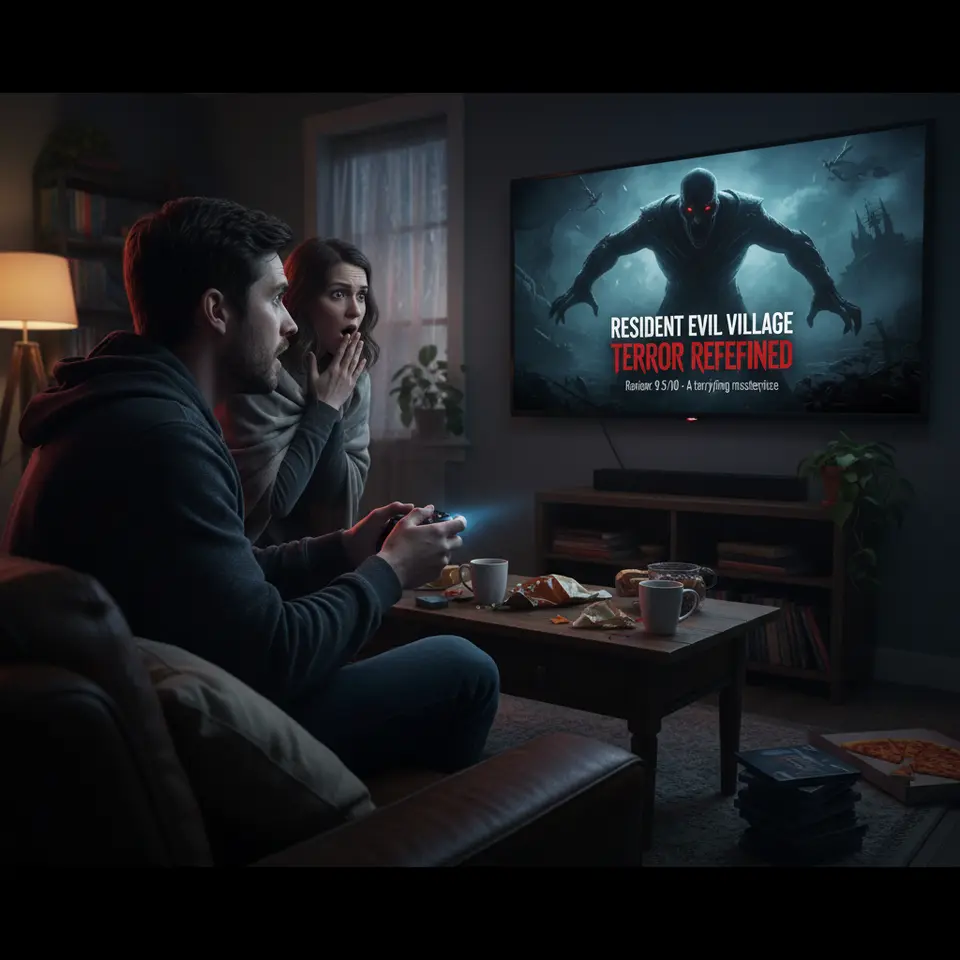
In today’s digital landscape, few game sequels carry the weight of expectation as Resident Evil Village. This title, marking the eighth major installment in Capcom’s storied horror franchise, continues the narrative thread from its predecessor while forging new paths into chilling territory. Currently, players are invited to step into the snow-laden lanes of a remote Eastern European settlement, where every shadow seems alive, and every creak suggests lurking dread.
Ethan Winters, the protagonist introduced in the previous entry, returns with motivations grounded in family and resilience. His journey unfolds in chapters of escalating tension, punctuated by encounters with grotesque creatures and iconic antagonists. From the looming silhouette of Castle Dimitrescu to the driftwood hovels of the village outskirts, every locale invites scrutiny and trepidation. Alongside crisp audio cues and a dynamic lighting system, players navigate corridors and frozen fields that test both nerve and strategy. Throughout this comprehensive examination, we will reference authoritative benchmarks for performance and design, such as guidelines from the U.S. National Institute of Standards and Technology and studies linked to sensory immersion published by the National Institutes of Health. Our goal is to present a balanced, in-depth review of Resident Evil Village, highlighting how the game redefines survival horror for today’s audience.
The Chilling Prologue: Setting in Eastern Europe
 The opening sequences of Resident Evil Village transport players into a remote hamlet nestled within a frozen valley, miles from civilization. Snowdrifts block narrow paths under a muted gray sky, and skeletal wooden structures hint at a community held together by superstition and dread. This stark introduction establishes a tone of vulnerability, as wandering through winding lanes feels like trespassing into a hostile domain.
Ambient elements play a pivotal role in shaping the mood: gusts of frigid air whistle through broken doorways, while distant animal calls echo off crumbling rooftops. Frost clings to exposed beams, and pools of blood blend with melting ice, reinforcing the sense that something malignant has taken root. The developers use dynamic weather cycles to punctuate key narrative beats, ensuring each thunderous gust or sudden snowfall heightens suspense.
Dominating the skyline, Castle Dimitrescu emerges as both a sanctuary for sinister inhabitants and a centerpiece of architectural magnificence twisted by horror. Towering turrets and arched corridors evoke medieval grandeur, yet warped statues and creeping vines give each hall an unsettling quality. Inside, candlelit drawing rooms cast elongated shadows, and grand staircases spiral into darkness, inviting players to discover secrets that often lurk around every corner.
Beyond the stonework of the castle, the village population poses its own threats. Shadowy figures scavenge in the woods, and lycanthrope-like creatures hunt as packs through moonlit clearings. Each encounter demonstrates the game’s ability to blend folklore with visceral terror, resulting in adversaries that feel both grounded and otherworldly. This intermingling of myth and reality cements Resident Evil Village’s identity within the horror genre.
The game cleverly transitions between distinct environments: frozen farmland, moss-covered crypts, and dimly lit windmill interiors all feed into a cohesive world design. Progression demands adaptability; a well-stocked shotgun might handle close-quarters threats in a barn, but stealth and puzzle-solving become essential in verdant mausoleums. This balance keeps players engaged as they navigate from one atmospheric vignette to the next.
Environmental storytelling deepens immersion, with half-buried diaries, abandoned tools, and scratched messages on walls revealing the plight of previous residents. Investigating battered manuscripts or examining rusted chains connects the larger narrative to personal tragedies, fostering an emotional link that makes exploration more than a mechanical exercise.
By grounding horror in a meticulously detailed setting, Resident Evil Village ensures that every corridor and field feels rife with potential danger. This artful blend of environmental art, audio design, and atmospheric pacing sets the stage for a compelling journey that unfolds seamlessly in this year (2026).
A Haunting Narrative and Memorable Characters
 Building on the personal stakes introduced in previous entries, Resident Evil Village weaves a story that feels both intimate and expansive. Protagonist Ethan Winters is thrust back into peril when his search for family answers leads him to a village under siege by occult forces. This quest reveals layers of conspiracy, intertwining familial devotion with the machinations of a powerful corporation that has cast a long shadow over the series.
At the heart of the tale stands Lady Dimitrescu, an imposing figure whose aristocratic poise and predatory instincts create an unforgettable antagonist. Towering over players at nearly nine feet tall, her interactions range from chilling monologues in candlelit hallways to sudden, heart-stopping pursuits. Her four daughters, each bearing unique abilities and grotesque appearances, reinforce the sense that no corner of the castle is safe.
Opposing them is the reemergence of fan-favorite Chris Redfield, whose battle-hardened demeanor provides a counterpoint to Ethan’s everyman vulnerability. Chris’s motivations remain ambiguous in early chapters, creating suspense as players question whether his intentions align with their own. This narrative tension drives the plot forward, combining character-driven dialogue with high-stakes action sequences.
The storyline cleverly infuses elements of body horror and folklore, drawing from Eastern European myths to craft creatures that resonate with authenticity. From parasitic growths that warp flesh to ancient symbols carved into stone altars, every plot twist reinforces the underlying theme of science clashing with the supernatural. The developers have curated a script that balances exposition with surprise, ensuring players remain engaged without feeling overwhelmed by lore dumps.
Supporting characters, such as the enigmatic village merchant known simply as the Duke, add texture through humor and mystery. His shady bartering system and offhand comments provide brief respites from tension, while scattered side quests reveal fragments of his past. Similarly, cryptic notes left by missing villagers or confessions inscribed on walls deepen the narrative tapestry.
Pacing remains a strong suit throughout this chapter of the series. Moments of frenetic combat give way to quieter exploration sequences, where players piece together clues from ancient scrolls or dilapidated paintings. These interludes foster a sense of discovery and reward inquisitive players who take the time to inspect every locked chest and sealed door.
By merging a compelling cast with a multi-layered plot, Resident Evil Village achieves a storytelling rhythm that elevates it beyond simple scares. The result is an adventure that resonates emotionally, forging connections between players and characters while delivering the adrenaline rush expected from a premier horror experience.
Visual Excellence: From Castle Corridors to Snowy Wilderness
Resident Evil Village sets a new benchmark for graphical fidelity in the survival horror genre. Powered by Capcom’s acclaimed RE Engine, the game renders photorealistic textures and dynamic lighting with remarkable consistency. Traversing the castle’s grand halls reveals sheen on marble surfaces, intricate wood carvings, and reflective water puddles that enhance realism. Techniques such as real-time ray tracing create lifelike reflections on damp floors and polished armory.
Character models receive the same level of care: subtle details such as individual strands of hair, lifelike skin pores, and fabric creases contribute to an uncanny valley effect that heightens tension. When players study a grotesque enemy up close, the blend of high-resolution textures and detailed animations underscores every twitch and contortion, amplifying horror without sacrificing visual clarity.
The transition from indoor environments to the frozen outdoors showcases the engine’s versatility. Wind-lashed snowflakes scatter across the screen, settling on Ethan’s coat and forming drifts along walls. Trees sway with an almost palpable weight, and distant mountain peaks emerge from swirling mists. These outdoor vistas serve as a stark contrast to the oppressive confinement of interior spaces, reinforcing the game’s narrative themes of escape and pursuit.
Environmental design draws inspiration from real-world architecture and folklore. The juxtaposition of gothic cathedrals, dilapidated windmills, and moss-coated crypts evokes centuries of history now tainted by sinister forces. Light sources, ranging from flickering torches to glass chandeliers, cast dynamic shadows that conceal and reveal threats in equal measure.
Capcom’s implementation of scalable graphics options allows a broad range of hardware to enjoy these visual advancements. On midrange PCs, features like Nvidia DLSS deliver stable frame rates without compromising detail, while high-end setups can enable ultra settings and ray-traced reflections at 4K resolution. Consoles benefit similarly, with next-generation platforms consistently reaching 60fps at high resolutions.
Subtle post-processing effects further immerse players: film grain adds a cinematic texture, depth-of-field blurs peripheral visuals to mimic human focus, and volumetric fog imbues corridors with ghostly ambiance. All these elements converge to craft a cohesive aesthetic experience, where every environment feels handcrafted to provoke unease and exploration.
By marrying technical ingenuity with thoughtful art direction, Resident Evil Village transcends mere visual spectacle. It leverages cutting-edge rendering techniques to serve storytelling, using light, color, and detail to shape player emotions and guide their journey through a meticulously crafted world.
Mechanics and Strategic Resource Management
 At the core of Resident Evil Village’s design lies a delicate balance between survival and empowerment. Retaining the first-person perspective popularized in prior installments, the game places players squarely in Ethan Winters’ boots, intensifying vulnerability during tense encounters. Controls feel responsive and intuitive, whether using a controller or mouse and keyboard. Movement, aiming, and interaction mechanics require minimal calibration, enabling seamless immersion.
Resource scarcity drives the strategic layer of gameplay. Ammunition, healing items, and crafting materials remain finite, prompting players to deliberate before each shot. The streamlined grid-based inventory system returns, challenging users to make room for critical supplies. Should they carry extra shotgun shells or leave space for health vials? This tension encourages careful planning and prioritization, especially when venturing into areas rumored to contain powerful weapon upgrades.
A cornerstone of the experience is the charismatic merchant known as the Duke. This mysterious figure offers a central hub where players can vend unwanted loot, purchase ammo, and enhance weaponry. Each gun upgrade requires specific materials found in hidden caches or looted from defeated foes. These enhancements—ranging from increased magazine capacity to improved damage—transform the arsenal and accommodate diverse playstyles.
Crafting adds another strategic dimension. By combining scarce resources, players can construct stronger healing items or create explosive ammunition. Deciding whether to craft immediately or hoard supplies for potential future challenges intensifies the survival aspect. This mechanism incentivizes thorough exploration, rewarding those who scour every hidden alcove for scrap metal, oil, and other components.
Exploration itself is richly layered. Environmental puzzles intersperse with combat zones, requiring players to decipher cryptic symbols, manipulate levers, and arrange movable statues to unlock new passages. Solving these riddles often yields valuable resources or lore-rich documents that expand the overarching narrative. Optional side rooms present risk-reward scenarios: tackle a horde of enemies for a rare upgrade or bypass the danger to conserve ammo.
Dynamic difficulty settings allow customization of resource availability, enemy resilience, and aim assist. Novice players can lean on increased supplies and helpful targeting, while veterans might opt for minimalist resources and aggressive foes for a hardened experience. This flexibility ensures Resident Evil Village remains accessible without diluting its survival horror essence.
By weaving resource management directly into its core mechanics, Resident Evil Village crafts a gameplay loop where every decision matters. The interplay between exploration, combat, and crafting engenders constant tension, making each moment in this year (2026) horror saga feel consequential and engaging.
Combat Dynamics and Puzzle Integration
Resident Evil Village seamlessly melds intense combat sequences with cerebral puzzle-solving elements. Early sections emphasize vulnerability, where even weak foes can overwhelm an unprepared player. By gradually introducing a wider array of weapons—from the humble handgun to a formidable grenade launcher—the game scales combat difficulty in harmony with player progression.
Enemy encounters remain fresh due to diverse creature designs. Pack-based lycanthropes stalk cornfields under a blood-red moon, requiring precise headshots or well-timed evasion to survive. In contrast, grotesque constructs in Castle Dimitrescu demand both firepower and strategic positioning, as their massive frames can absorb significant punishment. Each adversary type tests different skills, preventing monotony during exploration.
The boss battles stand out as cinematic highlights. Whether facing an unnerving shadow entity in flooded catacombs or confronting a towering bio-organic abomination in a grand throne room, players must decipher attack patterns and exploit brief vulnerability windows. These setpiece encounters blend puzzle-like elements—such as locating environmental hazards or triggering traps—with rapid-fire action, ensuring that strategy and reflexes are equally rewarded.
Puzzles in Resident Evil Village borrow from classic survival horror design, yet feel refreshed by the first-person perspective. Manipulating intricate pentagram locks or assembling fractured mosaics injects variety into the gameplay loop. Successfully solving these challenges often unlocks new pathways or yields precious ammunition and crafting parts, reinforcing the synergy between puzzle-solving and resource management.
The game encourages creative approaches to combat situations. Weak environmental structures, like explosive barrels or breakable foundations, can be leveraged to thin enemy ranks before a direct confrontation. Alternatively, stealth can bypass certain patrols, preserving ammunition for more critical battles. This open-ended design philosophy rewards experimentation and adaptability.
Difficulty customization further refines the experience. Hardcore mode, for example, strips away most crafting recipes and reduces available ammunition, forcing players to rely on skillful marksmanship and puzzle ingenuity. Conversely, casual settings offer more forgiving resource distribution, letting newcomers appreciate narrative and visual details without constant tension.
Ultimately, the fluid integration of combat mechanics and environmental puzzles distinguishes Resident Evil Village from its peers. Every skirmish and riddle serves a purpose, crafting a cohesive journey that challenges both mind and reflexes. As players forge ahead, they will discover that mastering this interplay is key to surviving the horrors awaiting them this year (2026).
Frequently Asked Questions
What platforms is Resident Evil Village available on?
Resident Evil Village is available on PC (Steam, Epic Games Store), PlayStation 5, Xbox Series X|S, and has backward compatibility on PlayStation 4 and Xbox One.
How long does it take to complete the main campaign?
The average playtime is around 10–12 hours for first-time users focusing on the main story, though completionists may spend closer to 15–18 hours exploring all side areas.
Does Resident Evil Village support ray tracing and DLSS?
Yes, on PC platforms the game features full ray-traced reflections and shadows, along with NVIDIA DLSS support to maintain high frame rates at 4K resolution. Consoles also leverage dynamic resolution scaling for optimal performance.
Are there additional modes or DLC content available?
Beyond the main story, the game offers New Game Plus, time trial challenges, and has released DLC expansions that add new story chapters and difficulty modes.
Conclusion
Resident Evil Village stands as a landmark achievement in modern survival horror, delivering a meticulously crafted world, a gripping narrative, and a refined blend of action and puzzle elements. This title demonstrates Capcom’s mastery of atmosphere, as every corridor and snow-laden clearing feels alive with dread. The combination of first-person immersion, strategic resource management, and cinematic boss encounters ensures a captivating journey from start to finish.
The game’s technical prowess, powered by the RE Engine, brings photorealistic visuals and dynamic audio that enhance player engagement. Meanwhile, the balanced progression of weapon upgrades, environmental puzzles, and enemy variety keeps the pace fresh and thrilling. Whether tackling the imposing Lady Dimitrescu or navigating cryptic castle rooms, players will find themselves drawn deeper into a story that resonates emotionally while delivering adrenaline-fueled highs.
Read more about this topic: Esports Game Reviews: Which Titles Dominate the Scene?