Competitive gaming has transformed from small local tournaments into massive global spectacles filling entire stadiums. Millions of fans tune in regularly to watch their favorite teams battle for million-dollar prize pools. But behind the bright lights and screaming crowds, the games themselves serve as the foundation of this massive industry. Choosing the right game to watch or play competitively requires looking closely at mechanics, developer support, and community engagement.
Finding the best competitive titles involves more than just looking at player counts. Comprehensive esports game reviews help break down exactly why certain games capture the world’s attention while others quickly fade away. A truly great esports title needs perfect balance, a high skill ceiling, and reliable updates that keep the gameplay fresh without alienating the core player base.
In this comprehensive guide, we will analyze the biggest titles currently dominating the competitive gaming ecosystem. We will explore what makes each game unique, how their competitive scenes operate, and why they deserve your attention. From strategic online battle arenas to lightning-fast tactical shooters, these are the games shaping the future of digital competition.
The Titans of MOBA (Multiplayer Online Battle Arena)
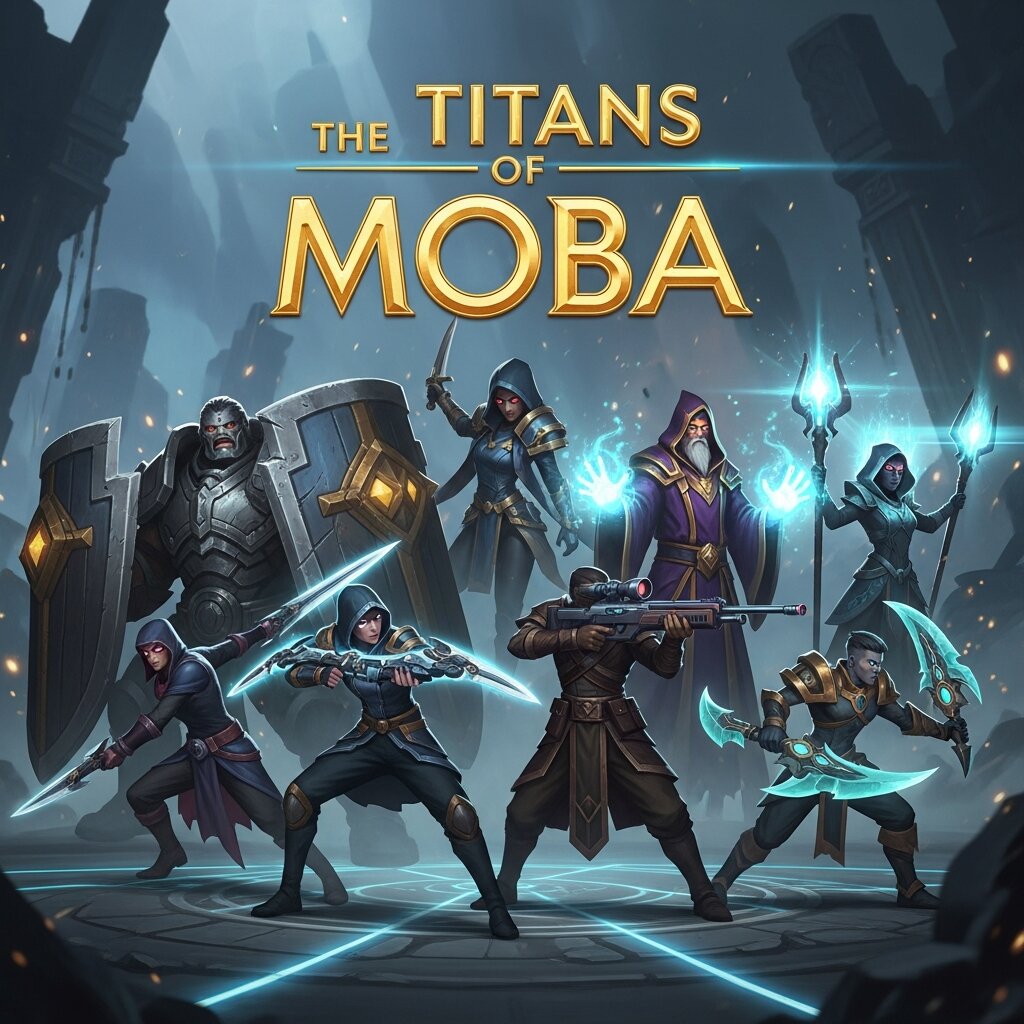 The MOBA genre remains the undisputed king of esports viewership. These games require intense teamwork, sharp reflexes, and deep strategic knowledge, making them incredibly compelling to watch and play.
League of Legends (LoL)
Riot Games launched League of Legends over a decade ago, and it continues to break viewership records year after year. The game pits two teams of five against each other with the ultimate goal of destroying the enemy’s Nexus. Players choose from a roster of over 160 champions, each featuring unique abilities and playstyles.
Our game reviews consistently highlight League of Legends for its incredibly structured competitive scene. Riot Games operates regional franchise leagues worldwide, operating much like traditional sports leagues. This structure provides stability for professional players and organizations. The gameplay itself undergoes frequent updates, ensuring the meta—the most effective tactics available—shifts regularly. This keeps the game exciting for long-term viewers.
However, the barrier to entry for new players is famously high. Learning the abilities of every champion, understanding item builds, and mastering map awareness takes hundreds of hours. Despite this steep learning curve, the sheer scale of the World Championship makes League of Legends a mandatory watch for any esports fan.
Dota 2
Valve’s Dota 2 is the primary rival to League of Legends, offering a noticeably different flavor of MOBA gameplay. While the core objective remains the same, Dota 2 introduces mechanics like “denying” friendly minions to prevent enemies from gaining gold and experience. The map features complex terrain, and the item shop includes incredibly powerful, game-changing artifacts.
Dota 2 is famous for “The International,” an annual tournament boasting some of the largest prize pools in gaming history, largely funded by the community. Professional Dota 2 matches are highly unpredictable. Teams frequently draft highly unconventional hero combinations, leading to chaotic and thrilling team fights.
Reviewing Dota 2 reveals a game built entirely around complexity and freedom. Every hero is unlocked from the start, meaning players can experiment immediately. The community is fiercely dedicated, and while the player base is smaller than that of League of Legends, its competitive integrity and strategic depth are unmatched in the genre.
The Tactical Shooter Heavyweights
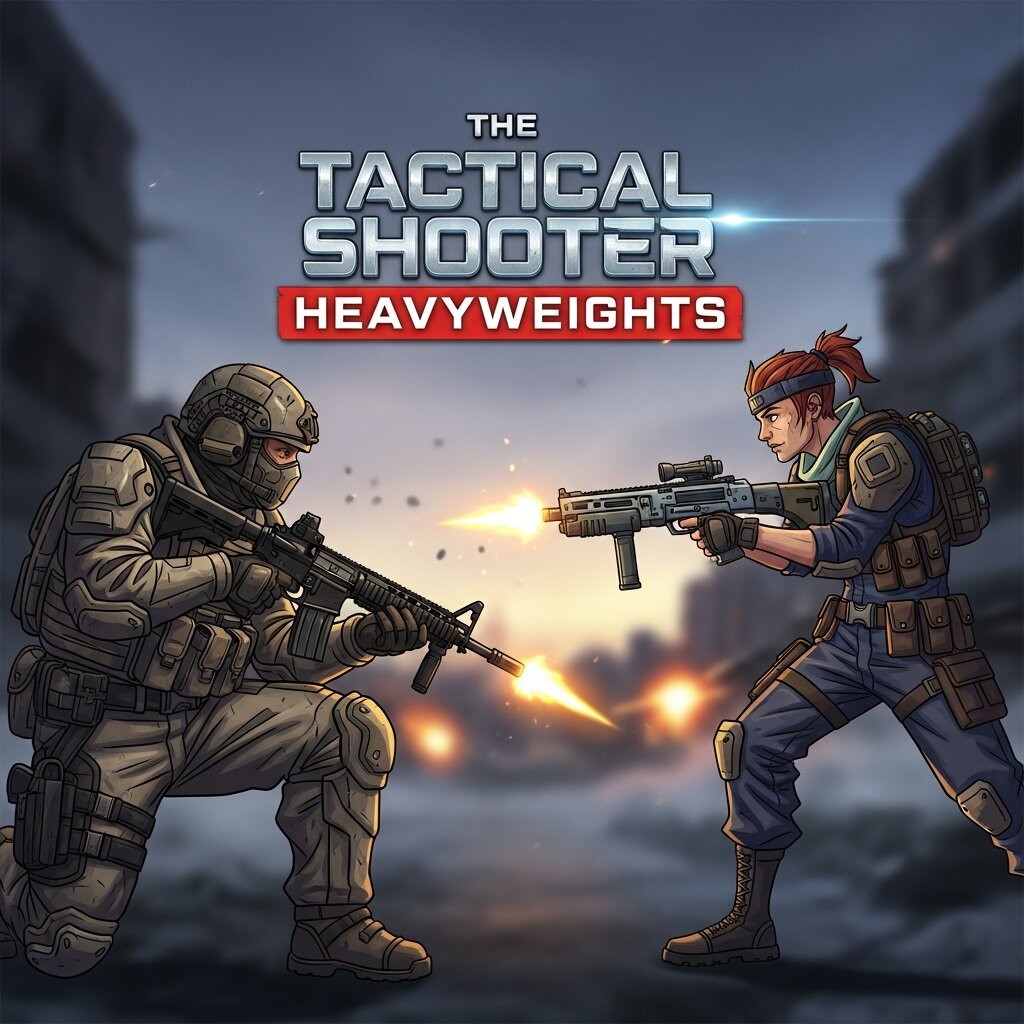 For fans of precise aim, tight teamwork, and tense clutch moments, tactical shooters offer the most adrenaline-pumping esports game reviews.
Counter-Strike 2 (CS2)
Counter-Strike has been the gold standard for competitive first-person shooters for over two decades. Valve recently transitioned the community from Counter-Strike: Global Offensive (CS:GO) to Counter-Strike 2, updating the engine, improving the graphics, and overhauling the smoke grenade mechanics.
The premise is brilliantly simple. Terrorists try to plant a bomb, and Counter-Terrorists try to stop them or defuse it. There are no ultimate abilities or distinct hero classes. Success relies entirely on map knowledge, crosshair placement, economy management, and teamwork. This simplicity makes Counter-Strike highly accessible for casual viewers. You can tune in for the first time and immediately understand what is happening on screen.
The competitive scene operates on an open circuit, with multiple tournament organizers hosting major events throughout the year. The crowd energy at events like IEM Katowice or ESL One Cologne is legendary, solidifying Counter-Strike 2 as an absolute titan in the esports world.
Valorant
Released by Riot Games in 2020, Valorant took the tactical shooting mechanics of Counter-Strike and injected them with hero-shooter elements. Players select “Agents” equipped with unique utility abilities. Instead of buying generic flashbangs and smoke grenades, players use their Agents’ specific kits to block vision, gather information, or flush enemies out of cover.
Valorant’s approach to esports mirrors the success of League of Legends. Riot Games established the Valorant Champions Tour (VCT), featuring partnered teams in regional leagues that culminate in international Masters and Champions events.
Our game reviews praise Valorant for its vibrant art style, frequent content updates, and incredibly responsive servers. The synergy required between different Agent abilities creates highly creative gameplay. Teams must coordinate their utility perfectly to execute site takes, making professional matches a beautiful display of tactical choreography.
The Battle Royale Contenders
The battle royale genre exploded into mainstream popularity, bringing a unique brand of survival-focused competition to the esports landscape. Organizing a tournament with up to 100 players in a single match presents logistical challenges, but the spectacle is undeniable.
Apex Legends
Respawn Entertainment’s Apex Legends revolutionized the battle royale genre with fast-paced movement, a brilliant ping communication system, and character-specific abilities. Teams of three drop into massive maps, scrambling for loot while fighting to be the last squad standing in a constantly shrinking safe zone.
In competitive Apex Legends, positioning and rotation are everything. Professional teams spend hours studying map geography to secure the best vantage points. The gunplay is incredibly smooth, featuring a high time-to-kill that rewards sustained tracking and excellent movement mechanics.
The Apex Legends Global Series (ALGS) has grown into a highly respected competitive circuit. The chaotic final circles, where multiple teams are forced into a tiny area, create some of the most intense and visually spectacular moments in all of esports.
Fortnite
Epic Games took the world by storm with Fortnite, and its competitive scene remains highly lucrative. The defining feature of Fortnite is its building mechanic. Players farm resources and construct complex structures on the fly to gain high ground or protect themselves from enemy fire.
At the highest level of competitive play, Fortnite demands incredible mechanical skill. Professional players can build massive towers and edit through walls at blinding speeds. While the random nature of loot drops can frustrate some competitive purists, the game’s massive prize pools and cultural relevance keep it near the top of the esports food chain.
Epic Games frequently hosts large-scale tournaments, often entirely online, allowing unknown players to climb the ranks and make a name for themselves. This open approach to competition makes Fortnite uniquely accessible to aspiring professionals.
The Fighting Game Community (FGC) Staples
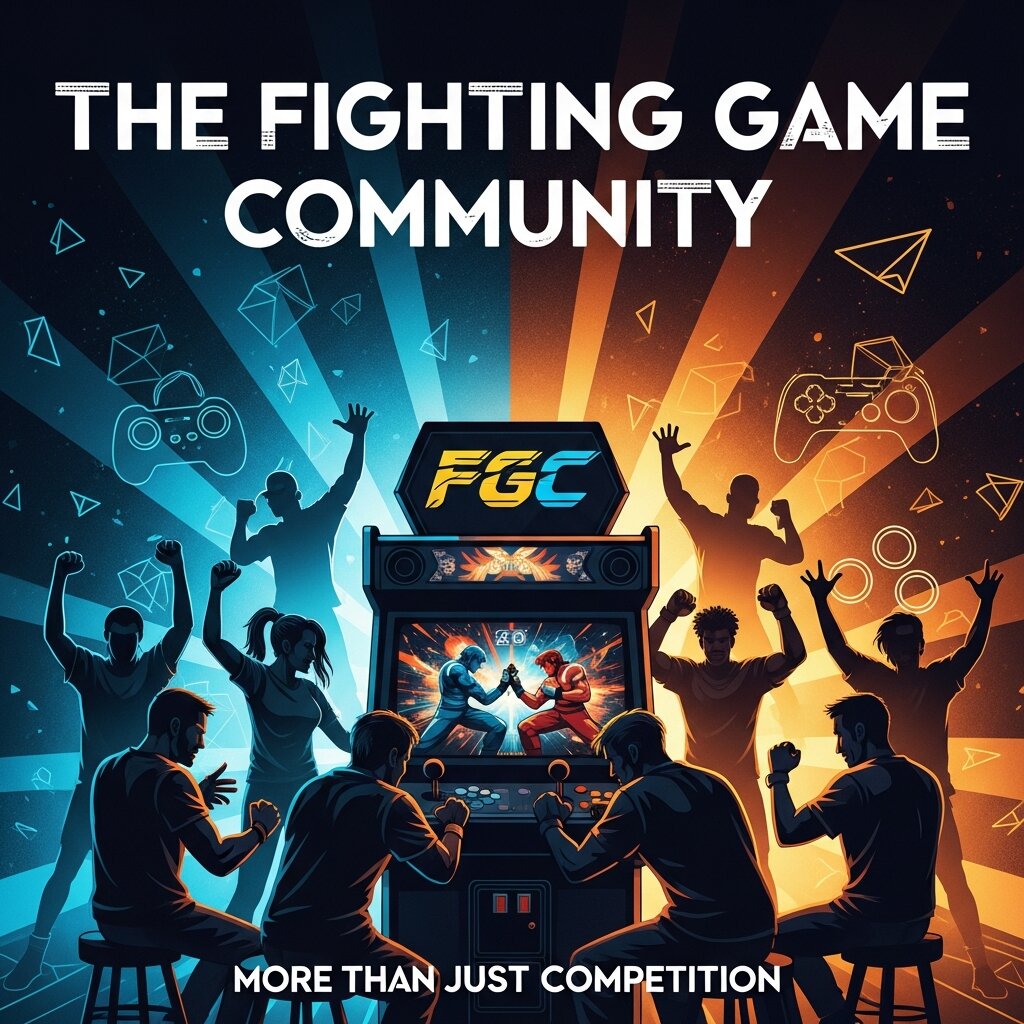 Fighting games represent the purest form of digital competition. There are no teammates to rely on and no random loot drops to blame. It is a strict one-on-one battle of reflexes, reading the opponent, and executing complex button combinations.
Street Fighter 6
Capcom revitalized the fighting game genre with the release of Street Fighter 6. The game introduced the Drive System, a flexible resource meter that allows players to perform powerful offensive and defensive maneuvers.
Street Fighter 6 has been universally praised in recent game reviews for its excellent netcode, allowing for smooth online play across different regions. The Capcom Pro Tour remains the premier competitive circuit, concluding with the Capcom Cup. The sheer hype of a perfectly timed parry or a match-winning combo makes Street Fighter 6 a thrilling spectator sport.
Super Smash Bros. Ultimate
Nintendo’s crossover brawler plays by different rules than traditional fighting games. Players attempt to knock their opponents off the stage rather than depleting a health bar. The massive roster features characters from across gaming history.
The Super Smash Bros. competitive scene was built largely from the grassroots level by passionate fans. Despite historical challenges with developer support regarding competitive play, the community continues to host massive tournaments like Genesis and Super Smash Con. The fluid movement and high-flying off-stage battles provide a highly entertaining viewing experience.
High-Octane Sports and Rocket League
Not all esports involve shooting or fighting. Some take familiar concepts and twist them into something entirely new and highly competitive.
Rocket League
Rocket League is essentially soccer played with rocket-powered cars. It is arguably the easiest esport for a non-gamer to understand. You drive the car, you hit the giant ball, and you try to score in the opposing net.
Despite its simple premise, Rocket League possesses a near-infinite skill ceiling. Professional players fly through the air, executing unbelievable passes and mid-air redirects. The physics-based gameplay means that every single touch of the ball requires precise calculation. The Rocket League Championship Series (RLCS) consistently delivers high-energy matches that closely replicate the tension of traditional sports broadcasts.
What Makes a Game Succeed in Esports?
Analyzing these dominant titles reveals a few common threads. For a game to survive and thrive as an esport, it must strike a delicate balance between player experience and viewer entertainment.
First, the game requires a high skill ceiling. Viewers tune in to watch professionals do things they cannot do themselves. Whether it is the unbelievable aim of a Counter-Strike player or the mechanical speed of a Fortnite builder, that gap between casual and professional play drives viewership.
Second, developer support is crucial. Games like League of Legends and Valorant thrive because Riot Games heavily invests in the competitive infrastructure. They fund leagues, produce high-quality broadcasts, and actively balance the game around professional play.
Finally, readability matters. A great esport needs to be visually digestible. If the screen is too cluttered with chaotic visual effects, new viewers will quickly tune out. Games like Rocket League and Counter-Strike excel because the core action is immediately obvious to anyone watching.
Frequently Asked Questions (FAQ)
What is the most-watched esports in the world?
League of Legends consistently holds the record for the highest viewership, especially during its annual World Championship. The 2023 World Championship Finals broke records with millions of peak concurrent viewers tuning in globally.
Can anyone enter esports tournaments?
It depends heavily on the game and the tournament structure. Games like Fortnite and certain fighting game tournaments operate on open brackets, meaning anyone can sign up and compete. Other games, like League of Legends and Valorant, use franchised leagues where players must be scouted and signed by professional organizations.
Why do some popular games fail as esports?
A game can have millions of casual players but fail competitively if it lacks a balanced meta, spectator tools, or developer support. High amounts of randomness (RNG) can also hurt competitive integrity, as professionals want outcomes decided by skill rather than luck.
How do I start following esports game reviews?
Start by choosing one genre that interests you, such as tactical shooters or MOBAs. Watch a major tournament broadcast on platforms like Twitch or YouTube. The commentators usually do an excellent job explaining the mechanics and the stakes of the match to newer viewers.
Your Next Move in the Competitive Arena
The esports landscape offers a diverse range of entertainment for every type of gamer. Whether you enjoy the slow, methodical strategy of a MOBA, the twitch-reflex action of a tactical shooter, or the chaotic survival of a battle royale, there is a competitive scene waiting for you.
Reading through detailed esports game reviews helps you understand the nuances of these titles, but nothing beats experiencing the hype firsthand. Pick a game from this list, find an upcoming tournament, and watch the best players in the world push the limits of digital competition.