Buying a new game is a bigger commitment than it used to be. With prices climbing past $70 for major releases and your free time more precious than ever, the last thing you want is to drop cash on a game that fizzles out after the first hour. That’s exactly why video game reviews matter so much—they help you separate the must-plays from the skip-its before you spend a single dollar.
But not all reviews are created equal. Some publications chase hype, some bury their scores in jargon, and others have built decades of trust by telling players the honest truth. Knowing which sources to lean on can save you money, time, and a whole lot of disappointment.
In this guide, we’ll walk through the most trusted video game reviews every gamer should bookmark. From legacy publications with rigorous review processes to community-driven platforms where you can review games online, you’ll find the right sources to inform your next purchase. We’ll also cover how to read reviews critically, why aggregate scores only tell part of the story, and where to look when you want feedback on niche titles like a Roblox game review.
Why Video Game Reviews Still Matter
Trailers are designed to sell. Marketing teams cherry-pick the most cinematic moments, polish the graphics for the demo, and promise experiences that don’t always match the final product. A good review cuts through that noise.
Reviews give you a grounded sense of how a game actually plays. Is the combat satisfying or repetitive? Does the story hold up across 40 hours, or does it collapse halfway through? Are there bugs, microtransactions, or pacing problems that the trailer conveniently skipped? These are the questions reviewers answer—and the ones you’ll want answered before you commit.
There’s also the matter of value. When a single game can cost as much as a month of streaming subscriptions, knowing whether it delivers becomes a practical decision, not just a matter of taste. Trusted reviews help you make that call with confidence.
What Makes a Video Game Review Trustworthy
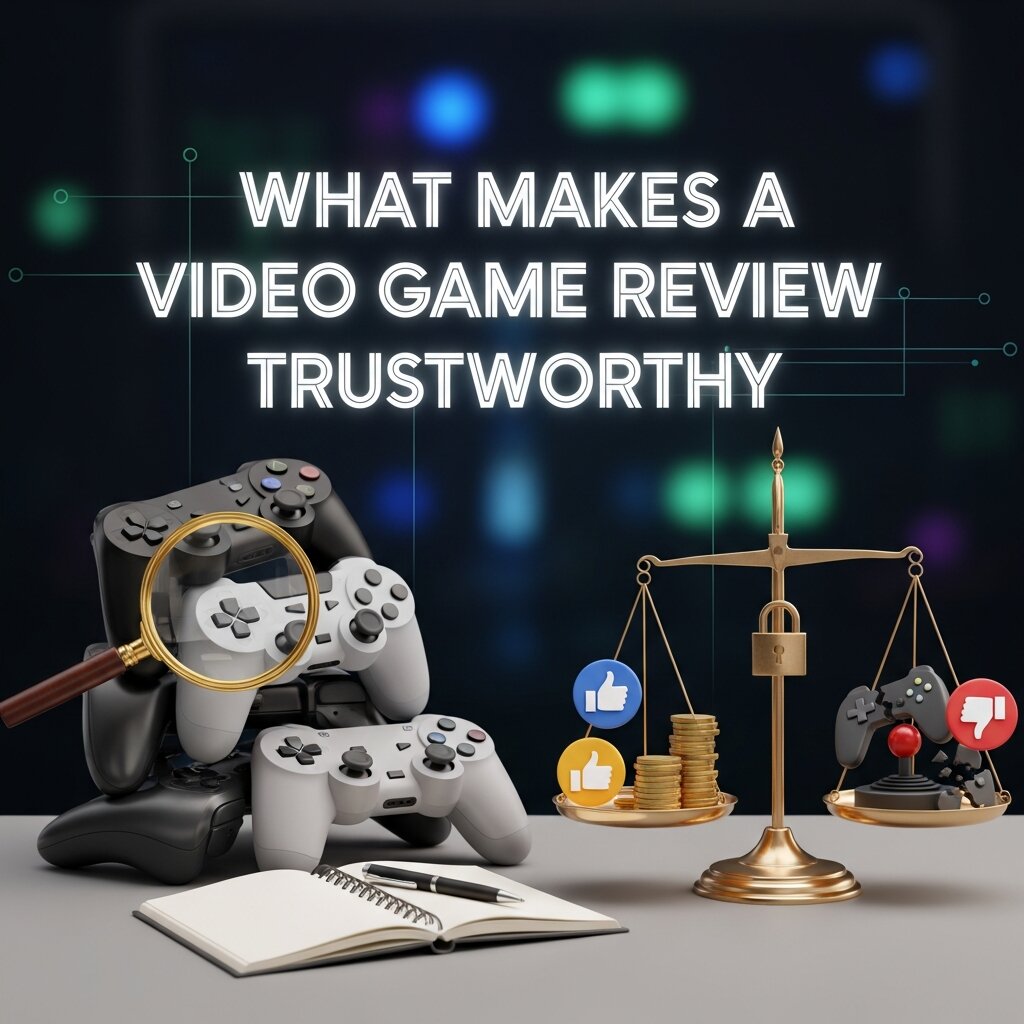 Before we get to the sources, it helps to understand what separates a credible review from a throwaway opinion. The best reviews share a few common traits.
Time spent with the game: A reviewer who has played through to the credits—or sunk dozens of hours into a multiplayer title—has far more authority than someone reacting to the first level. Look for reviews that mention total playtime.
Transparency about bias: Trustworthy outlets disclose when a copy was provided by the publisher, when an ad partnership exists, or when a reviewer has a personal connection to the developer. Honesty about these factors builds credibility.
Consistent scoring standards: A reliable publication applies the same yardstick across genres and platforms. If a 7/10 means the same thing for an indie puzzle game as it does for a blockbuster shooter, you can trust the score.
Clear reasoning over raw numbers: A score is a shortcut. The real value lives in the written analysis—the parts that explain why a game earned its rating. The best reviewers back up every claim with specific examples.
The Most Trusted Video Game Reviews to Follow
Here are the publications and platforms that have earned gamers’ trust over the years. Each brings something different to the table.
IGN
IGN is one of the largest gaming media outlets in the world, and its reviews carry serious weight. The site covers everything from AAA console releases to mobile and PC games, using a 10-point scale with detailed written breakdowns. IGN’s reviews tend to be thorough, covering gameplay, graphics, story, and replay value. Its sheer reach means you’ll almost always find a review for whatever you’re considering.
GameSpot
GameSpot has been reviewing games since 1996, making it one of the longest-running voices in the industry. Its reviews are known for balanced analysis and a willingness to criticize even highly anticipated titles. GameSpot’s reviewers often provide video reviews alongside written ones, which is helpful if you want to see gameplay in action before forming an opinion.
Metacritic
Metacritic doesn’t write its own reviews—instead, it aggregates scores from dozens of professional critics into a single weighted average called a “Metascore.” This makes it the go-to spot when you want a quick consensus. A game scoring in the 90s on Metacritic is almost universally praised, while anything below 60 signals trouble. Just remember that an aggregate hides the nuance, so it’s best used as a starting point.
Eurogamer
Eurogamer takes a thoughtful, editorial approach to game reviews. Rather than slapping a number on every release, the site focuses on detailed criticism and cultural context. This makes Eurogamer especially valuable for readers who want to understand a game’s place in the broader landscape, not just whether it’s “good” or “bad.”
Polygon
Polygon blends gaming coverage with strong storytelling and a focus on how games connect to wider culture. Its reviews are accessible, well-written, and often explore themes other outlets skip. If you care about narrative, representation, and the human side of game design, Polygon is a strong source to follow.
Steam User Reviews
For PC gamers, Steam’s user review system is invaluable. Because reviews come from people who actually bought and played the game, they reflect real-world experiences—including performance issues, value for money, and long-term enjoyment. Steam’s “Overwhelmingly Positive” to “Overwhelmingly Negative” ratings give you an instant read on community sentiment, and you can filter by recent reviews to catch post-update changes.
Where to Review Games Online and Find Community Feedback
 Professional critics aren’t the only voices worth hearing. Sometimes the best insights come from fellow players who share your tastes. Several platforms let you review games online and read unfiltered feedback from the community.
Reddit hosts active communities for nearly every game imaginable. Subreddits dedicated to specific titles are gold mines for honest impressions, troubleshooting tips, and ongoing discussions about updates and patches.
Backloggd functions like a social network for gamers, letting users log, rate, and review games they’ve played. It’s a great place to find a personal review games zone where everyday players share genuine reactions rather than polished editorial verdicts.
OpenCritic is another aggregator, similar to Metacritic, but with a focus on transparency. It clearly labels which outlets are included and highlights “Top Critic” averages, giving you a cleaner view of professional consensus.
These community-driven spaces are especially useful for games that don’t get much mainstream coverage. If a title flies under the radar of major publications, you’ll often find the most useful feedback from players who took a chance on it.
How to Read a Roblox Game Review or Other Niche Titles
Mainstream outlets rarely cover platform-specific or user-generated content in depth. If you’re looking for a Roblox game review, for example, you’ll need to adjust where you search and how you evaluate what you find.
Roblox hosts millions of user-created experiences, so traditional review sites simply can’t keep up. Instead, your best sources are YouTube creators who specialize in the platform, dedicated Roblox community forums, and the in-game rating systems that show likes versus dislikes. Pay attention to player counts and recent activity—a game with a healthy, active community is usually a safer bet than one that’s been abandoned.
The same logic applies to mobile games, indie projects, and titles on smaller storefronts. When professional reviews are scarce, community sentiment, active player numbers, and recent updates become your most reliable signals.
How to Read Reviews Critically
Even the most trusted video game reviews reflect individual perspectives. A reviewer who loves tactical strategy might score a fast-paced shooter lower than someone who lives for adrenaline. Reading critically means looking past the number and into the reasoning.
Start by checking whether the reviewer’s preferences match yours. If they dock points for a feature you actually enjoy, that low score might be a green light for you. Read multiple reviews to spot patterns—if five different sources all complain about the same flaw, that’s worth taking seriously. A single negative review, on the other hand, might just be one person’s bad day.
Watch out for review bombing, too. Sometimes a game’s user score craters not because of quality, but because of controversies unrelated to gameplay. Cross-referencing professional and community reviews helps you tell genuine problems apart from manufactured outrage.
How Video Game Reviews Influence the Gaming Industry
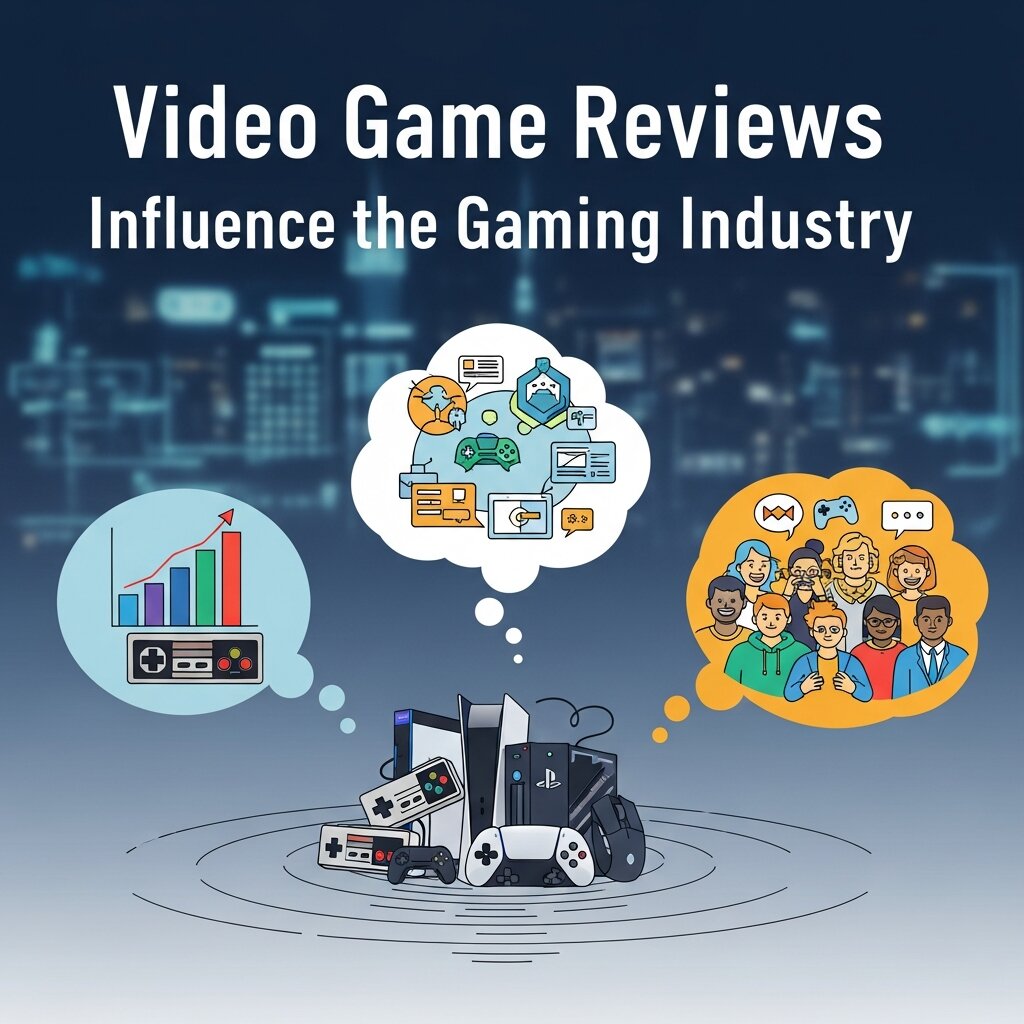 Video game reviews don’t just help players decide what to buy—they also shape the future of the gaming industry itself. Positive reviews can boost a game’s visibility, drive sales, and even influence award nominations, while negative feedback often pushes developers to release patches or rethink future projects. Publishers closely monitor critic scores and community reactions because they reveal what players value most, from engaging gameplay to fair monetization practices. Reviews also encourage healthy competition among studios, motivating them to improve quality and innovate. In many ways, the relationship between gamers, critics, and developers creates a feedback loop that benefits everyone. When players share honest opinions and reviewers provide thoughtful analysis, the industry becomes more responsive, transparent, and focused on creating better gaming experiences for audiences worldwide.
FAQ About Video Game Reviews
1. Why are video game reviews important before buying a game?
Video game reviews help players understand a game’s strengths and weaknesses before spending money. They provide insights into gameplay, story, graphics, performance, and overall value, making it easier to decide whether a game is worth buying.
2. Which websites offer the most trusted video game reviews?
Some of the most trusted sources include IGN, GameSpot, Eurogamer, Polygon, Metacritic, and OpenCritic. These platforms have experienced reviewers, transparent review policies, and long-standing reputations in the gaming industry.
3. Are user reviews more reliable than professional reviews?
Both have value. Professional reviews offer structured analysis and expert opinions, while user reviews provide real-world experiences from everyday players. Combining both sources often gives the most balanced perspective.
4. What is the difference between Metacritic and OpenCritic?
Metacritic and OpenCritic both aggregate review scores from multiple publications. However, OpenCritic is generally considered more transparent about which critics are included and how scores are calculated, while Metacritic uses its own weighted scoring system.
5. How should I interpret a game’s review score?
A review score should be treated as a quick summary rather than the final verdict. It’s important to read the full review to understand why the game received that score and whether the reviewer’s preferences align with your own gaming tastes.
6. Where can I find reviews for indie or niche games?
Indie and niche game reviews can often be found on Steam user reviews, Reddit communities, Backloggd, YouTube channels, and specialized gaming blogs. These sources frequently cover titles that mainstream media may overlook.
7. How can I find a reliable Roblox game review?
For Roblox games, community feedback is often the best source. Check player ratings, active player counts, YouTube gameplay reviews, Roblox forums, and Reddit discussions to gauge a game’s quality and popularity.
8. What is review bombing in gaming?
Review bombing occurs when large groups of users intentionally give extremely low ratings to a game, often because of controversies unrelated to gameplay. This can distort user scores, so it’s wise to compare user feedback with professional reviews.
9. Can video game reviews predict whether I will enjoy a game?
Not perfectly. Reviews provide valuable information, but personal preferences play a major role. A game that receives mixed reviews may still become one of your favorites if it matches your interests and preferred genres.
10. What is the best strategy for using video game reviews?
The best approach is to read reviews from multiple trusted sources, compare professional and user opinions, watch gameplay footage, and consider your own preferences. This combination helps you make smarter purchasing decisions and avoid disappointing games.
Making Smarter Gaming Choices
The right video game reviews turn a risky purchase into a confident one. By leaning on established publications like IGN, GameSpot, and Eurogamer, checking aggregate scores on Metacritic and OpenCritic, and tapping into community feedback on Steam, Reddit, and Backloggd, you’ll build a complete picture before you buy.
The smartest approach is to mix your sources. Combine the depth of professional criticism with the real-world honesty of player reviews, and always read with your own tastes in mind. Whether you’re eyeing the next big AAA release or hunting down a hidden gem, a few minutes spent reading trusted reviews can save you hours of frustration—and plenty of money.