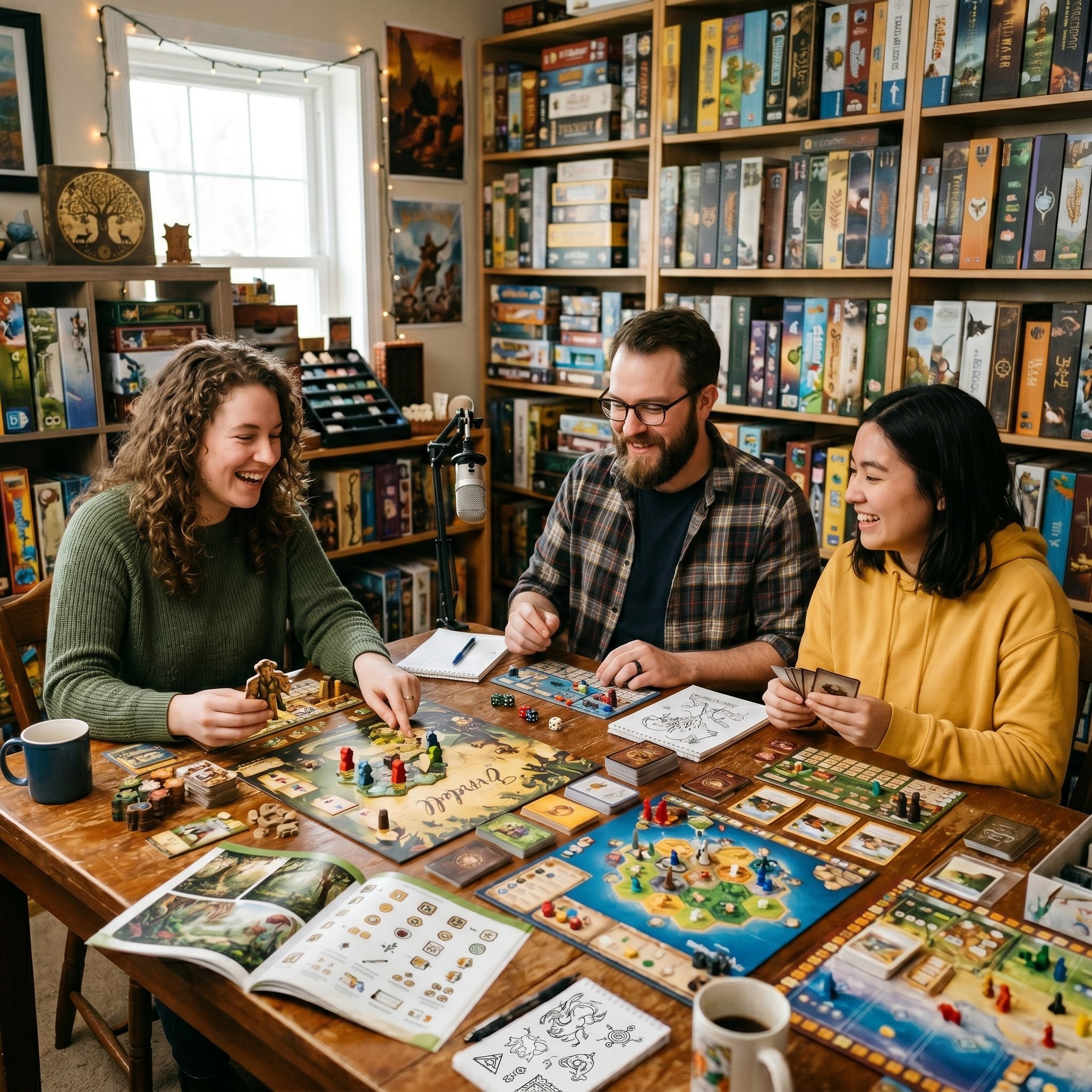
Board games have experienced a remarkable resurgence in recent years. While digital entertainment continues to dominate much of our daily lives, board games offer something unique that screens often cannot replicate: face-to-face interaction, meaningful social engagement, and memorable experiences shared with family and friends.
From quick party games and family-friendly classics to deep strategy titles that challenge experienced players, the modern board game industry has something for everyone. Whether you’re planning a casual game night, searching for a new hobby, or looking for the perfect gift, understanding the strengths and weaknesses of different games can help you make informed decisions.
This comprehensive guide explores the world of board game reviews, helping families, friends, and gamers discover titles that match their interests, skill levels, and play styles.
Why Board Game Reviews Matter
With thousands of board games available on the market, choosing the right one can feel overwhelming. New releases appear every year, each promising exciting mechanics, engaging themes, and unforgettable experiences.
Board game reviews help players evaluate whether a particular game aligns with their preferences before making a purchase. Reviews often examine important factors such as gameplay, replayability, learning curve, component quality, player interaction, and overall value.
By reading multiple reviews and considering different perspectives, consumers can avoid disappointment and find games that genuinely suit their needs.
Reviews are particularly useful for newcomers who may not yet be familiar with the various genres and mechanics found within the hobby.
Understanding Different Types of Board Games
 The board gaming world includes a wide variety of categories, each offering distinct experiences.
Family games are designed to be accessible and enjoyable for players of various ages. These games typically feature simple rules, shorter playtimes, and engaging themes that appeal to both children and adults.
Strategy games emphasize planning, resource management, and long-term decision-making. These titles often reward critical thinking and provide substantial replay value.
Party games focus on social interaction, humor, and accessibility. They are ideal for larger groups and casual gatherings.
Cooperative games encourage players to work together against the game itself rather than competing against each other. These experiences often foster teamwork and communication.
Role-playing and narrative-driven board games immerse players in rich stories and evolving adventures that unfold over multiple sessions.
Understanding these categories can help players narrow their options and identify games that best fit their preferred style of play.
What Makes a Great Board Game?
Several factors contribute to the success and popularity of a board game.
One of the most important elements is gameplay. A game should provide meaningful decisions, engaging interactions, and satisfying outcomes. Players should feel invested in the experience from beginning to end.
Replayability is another critical factor. Great games remain enjoyable after multiple sessions by offering varying strategies, changing scenarios, or unpredictable outcomes.
Balance is equally important. Players should feel that success depends largely on their decisions rather than luck alone.
Component quality also influences the overall experience. Durable cards, attractive artwork, well-designed boards, and premium game pieces enhance immersion and enjoyment.
Finally, accessibility matters. While some players enjoy complex games, many appreciate titles that are easy to learn but difficult to master.
Top Family Board Games Worth Exploring
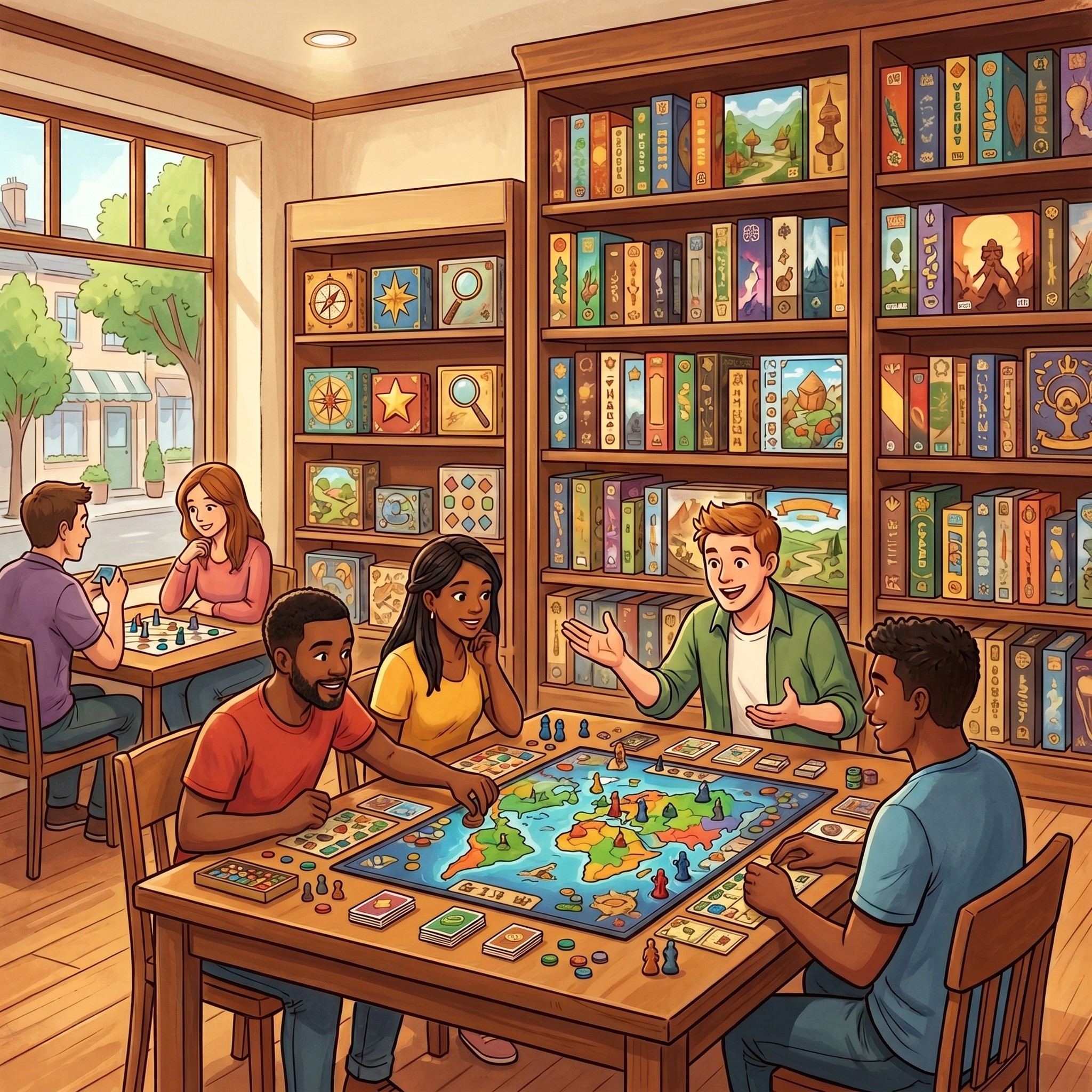 Family board games continue to be among the most popular options for households seeking quality entertainment.
The best family games strike a balance between simplicity and depth. They provide enough strategic choices to engage adults while remaining approachable for younger players.
Successful family games often encourage interaction, communication, and shared problem-solving. They create opportunities for meaningful connections and memorable moments around the table.
Reviews of family games frequently focus on ease of learning, age suitability, educational value, and overall enjoyment across different age groups.
When selecting a family game, it is important to consider the interests and experience levels of everyone who will participate.
Strategy Games for Competitive Players
For those who enjoy intellectual challenges, strategy board games offer rich and rewarding experiences.
These games often involve careful planning, resource allocation, tactical positioning, and long-term thinking. Every decision can influence the outcome, making each session feel unique and engaging.
Strategy games vary significantly in complexity. Some can be learned within minutes, while others require substantial time and dedication to master.
Board game reviews within this category typically examine depth, strategic diversity, balance, and replayability. Experienced players often appreciate games that reveal new layers of complexity with each session.
Competitive strategy games remain a favorite among enthusiasts seeking mentally stimulating entertainment.
Party Games That Bring People Together
Party games serve a different purpose than traditional strategy games. Their primary goal is to create laughter, conversation, and memorable social experiences.
The best party games feature simple rules, quick setup times, and broad appeal. They allow players to jump into the action without extensive explanations or lengthy preparation.
Many party games emphasize creativity, communication, humor, and improvisation. These qualities make them ideal choices for gatherings where participants have varying levels of gaming experience.
Reviews often evaluate how effectively party games maintain energy levels, encourage participation, and create entertaining moments for diverse groups.
A successful party game can transform an ordinary gathering into an unforgettable event.
Cooperative Games and Team-Based Experiences
Cooperative board games have grown increasingly popular because they encourage collaboration rather than competition.
Instead of trying to defeat one another, players work together toward a common objective. This shared challenge creates a unique dynamic that promotes teamwork and communication.
Cooperative games often feature escalating tension as players attempt to overcome obstacles, solve problems, or defeat powerful adversaries.
Reviews typically assess difficulty levels, thematic immersion, teamwork requirements, and overall player engagement.
These games are particularly appealing for families, couples, and groups that prefer shared victories over direct competition.
The Importance of Theme and Storytelling
Theme plays a significant role in shaping player experiences.
A strong theme can transform abstract mechanics into immersive adventures. Whether players are building civilizations, exploring distant planets, managing businesses, or solving mysteries, thematic elements help create emotional investment.
Narrative-driven games take this concept even further by incorporating branching storylines, character development, and evolving scenarios.
Board game reviews frequently discuss how effectively a game’s theme supports its mechanics. When gameplay and theme complement one another, the result is often a more engaging and memorable experience.
Many modern games excel at creating immersive worlds that keep players returning for additional sessions.
Evaluating Replay Value
Replay value is one of the most important considerations when purchasing a board game.
A game that remains enjoyable after dozens of sessions often represents a better long-term investment than one that becomes repetitive after only a few plays.
Various factors contribute to replayability, including strategic diversity, randomized setups, variable player powers, modular boards, and multiple paths to victory.
Reviewers often highlight these features when assessing whether a game offers lasting entertainment.
High replay value ensures that players continue discovering new experiences long after the initial purchase.
How Online Reviews Influence Buying Decisions
 Modern consumers have access to an enormous amount of information before purchasing a game.
Many enthusiasts regularly review games online to share their experiences, provide recommendations, and discuss strengths and weaknesses. These community-driven insights can help prospective buyers gain a more complete understanding of a game’s performance in real-world situations.
Online reviews often complement professional evaluations by offering diverse perspectives from players with different preferences and experience levels.
Combining multiple sources of information allows consumers to make more informed purchasing decisions.
Visual Presentation and Component Quality
Board games are visual products, and presentation can significantly impact enjoyment.
Artwork, graphic design, miniatures, cards, boards, and packaging all contribute to the overall experience. Attractive visuals can enhance immersion and create stronger emotional connections with the game’s theme.
Many reviewers examine production quality in detail, similar to how technology enthusiasts conduct game camera reviews when evaluating visual performance and presentation standards. High-quality components often improve usability and elevate the overall experience.
While gameplay remains the most important factor, exceptional presentation can make a good game even more enjoyable.
Board Games vs. Digital Gaming
The rise of digital gaming has not diminished interest in board games. Instead, both forms of entertainment continue to thrive by offering different experiences.
Digital games provide convenience, online connectivity, and advanced audiovisual presentation. Board games, however, offer direct social interaction, physical engagement, and shared experiences that many players find uniquely rewarding.
Interestingly, some gamers who enjoy digital experiences such as a Roblox Game Review often discover that tabletop gaming offers a refreshing alternative. Both formats encourage creativity, strategy, and problem-solving, but board games add a personal, face-to-face element that many people value.
Rather than competing directly, board games and digital games often complement one another within modern entertainment lifestyles.
Tips for Choosing the Right Board Game
Selecting the right game depends on several factors.
Player count is one of the most important considerations. Some games perform best with two players, while others require larger groups.
Playtime also matters. Busy families may prefer shorter experiences, while dedicated enthusiasts often enjoy longer, more complex sessions.
Complexity should match the preferences and experience levels of the intended audience. Introducing highly complex games to beginners can sometimes create frustration rather than enjoyment.
Theme preferences should not be overlooked. Players are more likely to engage deeply with themes they find personally interesting.
Considering these factors can significantly increase the likelihood of choosing a game that becomes a regular favorite.
The Growing Popularity of Board Gaming
The board game industry continues to expand globally, attracting players from all backgrounds and age groups.
Innovative game designs, improved production quality, and growing online communities have helped introduce millions of people to modern tabletop gaming. Board game cafés, conventions, review channels, and online forums provide opportunities for players to discover new titles and connect with fellow enthusiasts.
This growth has resulted in an unprecedented variety of games, ensuring that virtually every player can find experiences tailored to their interests. As the industry evolves, board gaming remains one of the most engaging and socially rewarding forms of entertainment available.
Conclusion
Board games offer far more than simple entertainment. They create opportunities for connection, collaboration, competition, learning, and shared experiences that bring people together in meaningful ways.
Whether you’re searching for a family-friendly game, a deep strategic challenge, an energetic party experience, or a cooperative adventure, board game reviews provide valuable insights that help guide purchasing decisions.